

Squat Rack Attachments. From mag pins, spotter arms, to dip stations, to J-cups and more, we have all of the squat rack attachments and accessories that you need. Add more kick butt exercises to your workout with more attachments like the new Mammoth Belt Squat. Need 2x2 rack attachments? 2x3 attachments? Or 3x3 attachments? Get the full body workout you know you want and need.


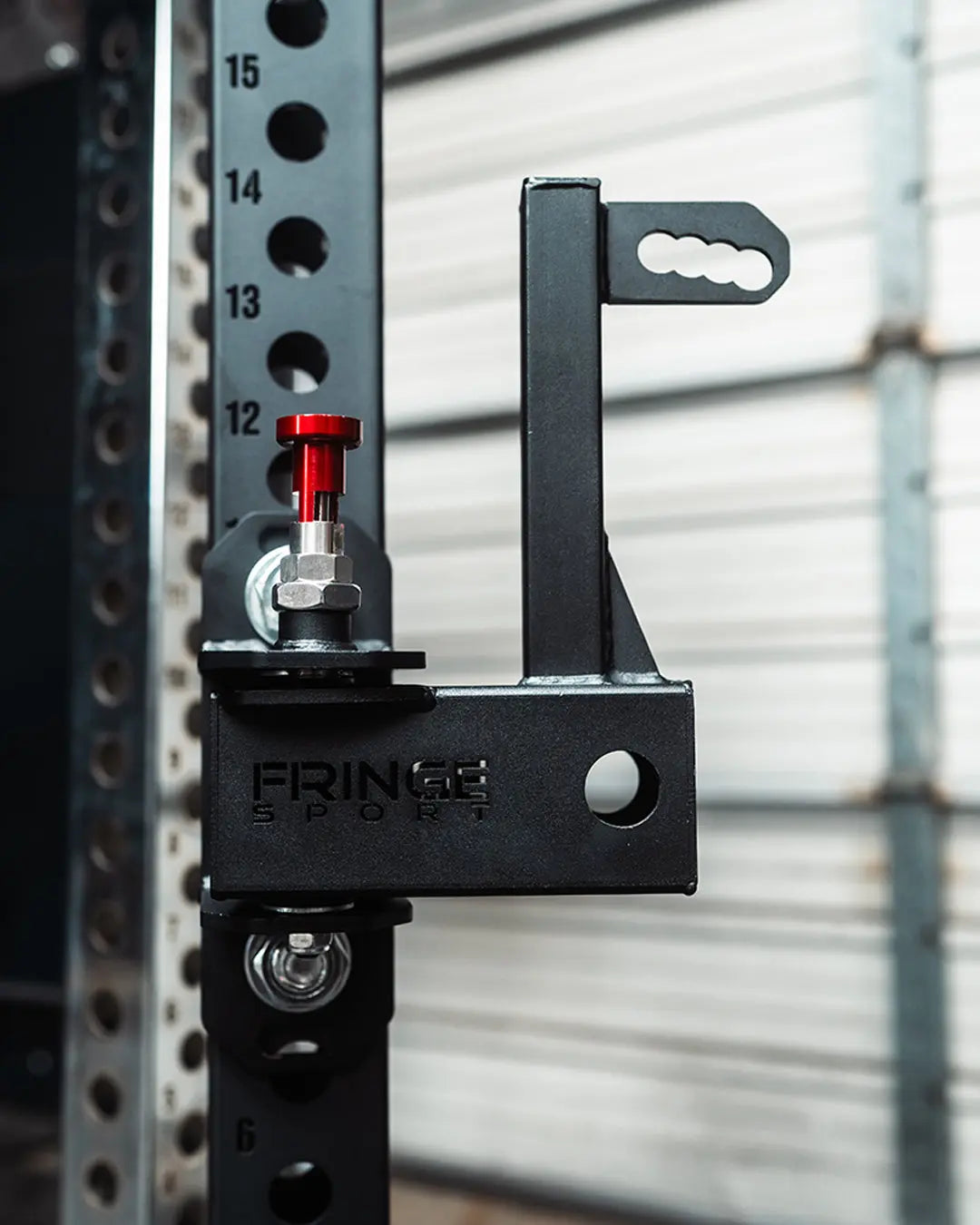
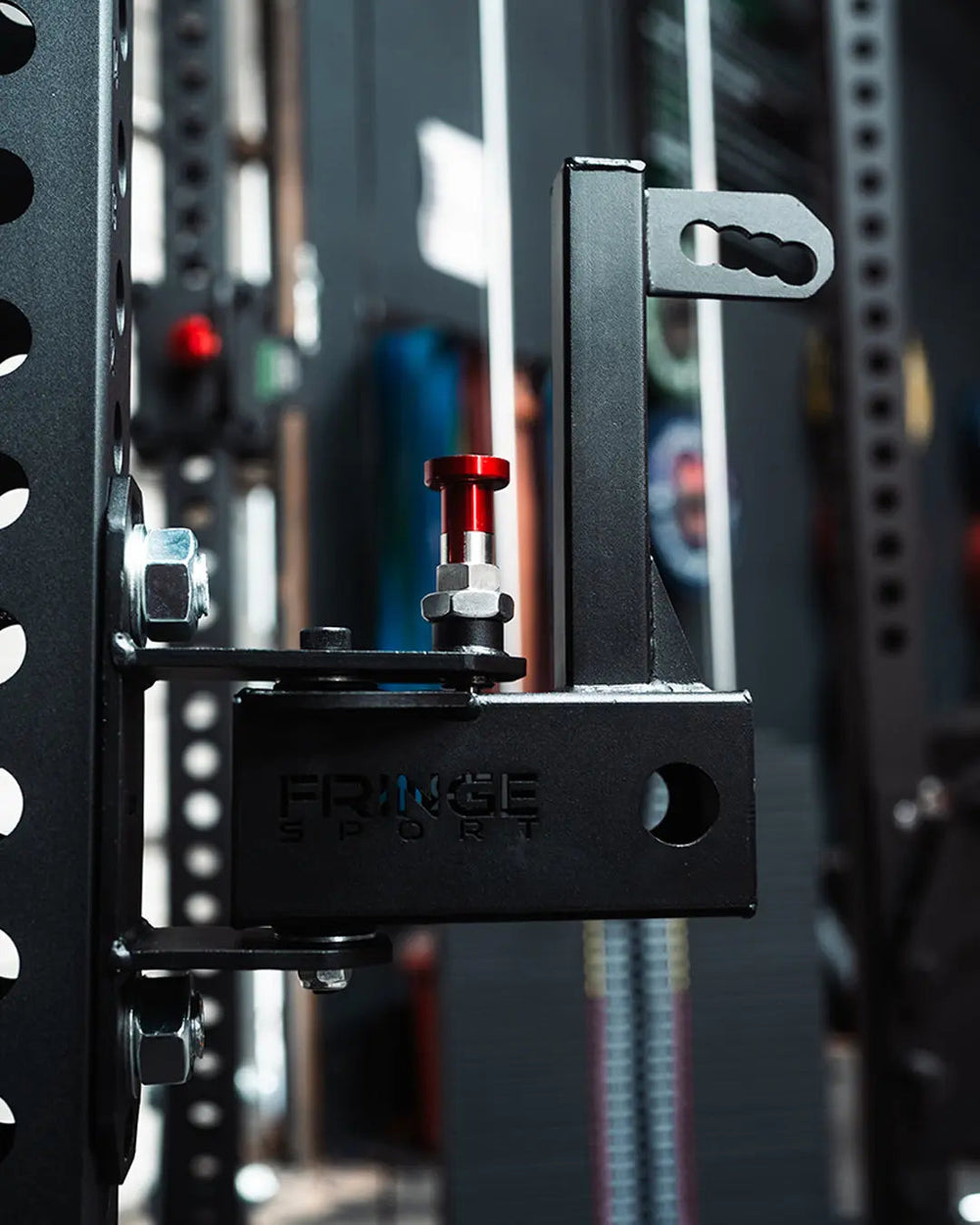


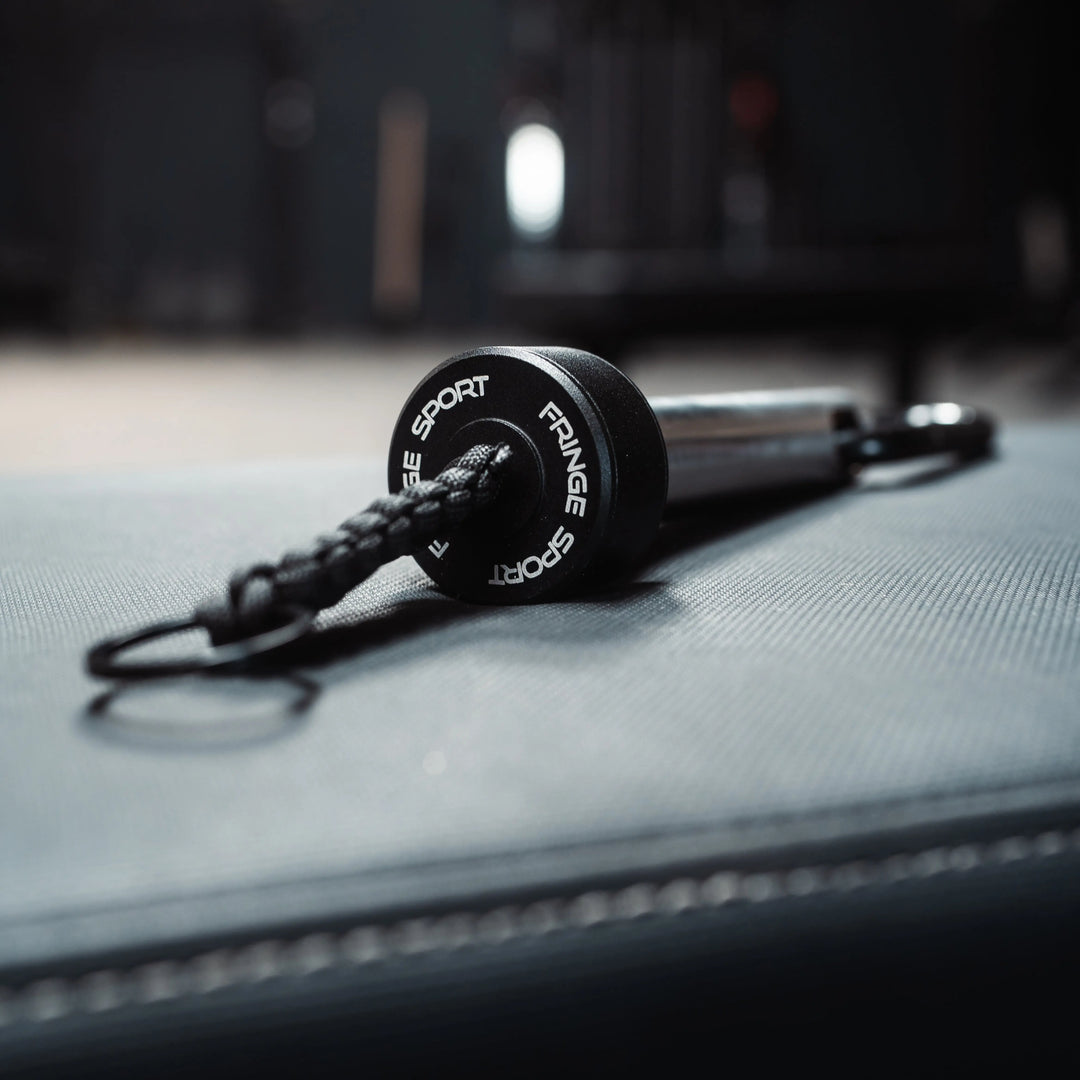
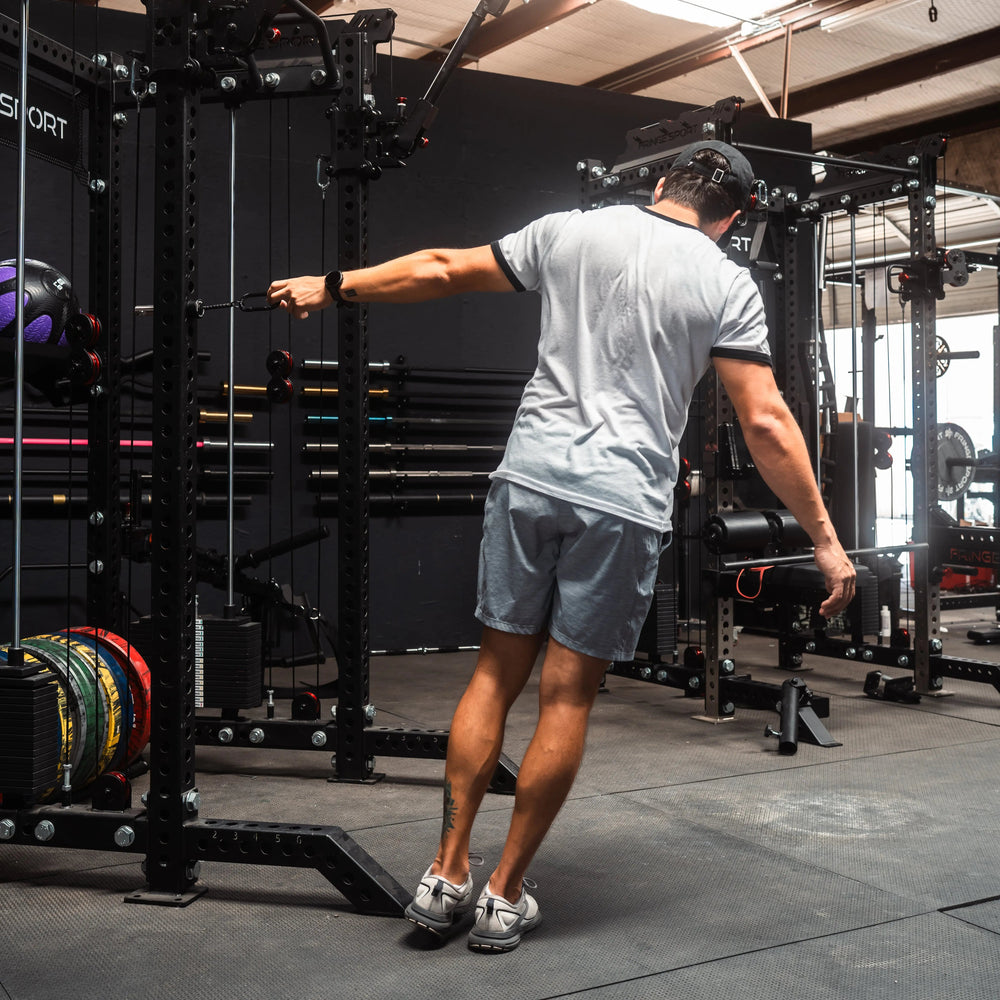


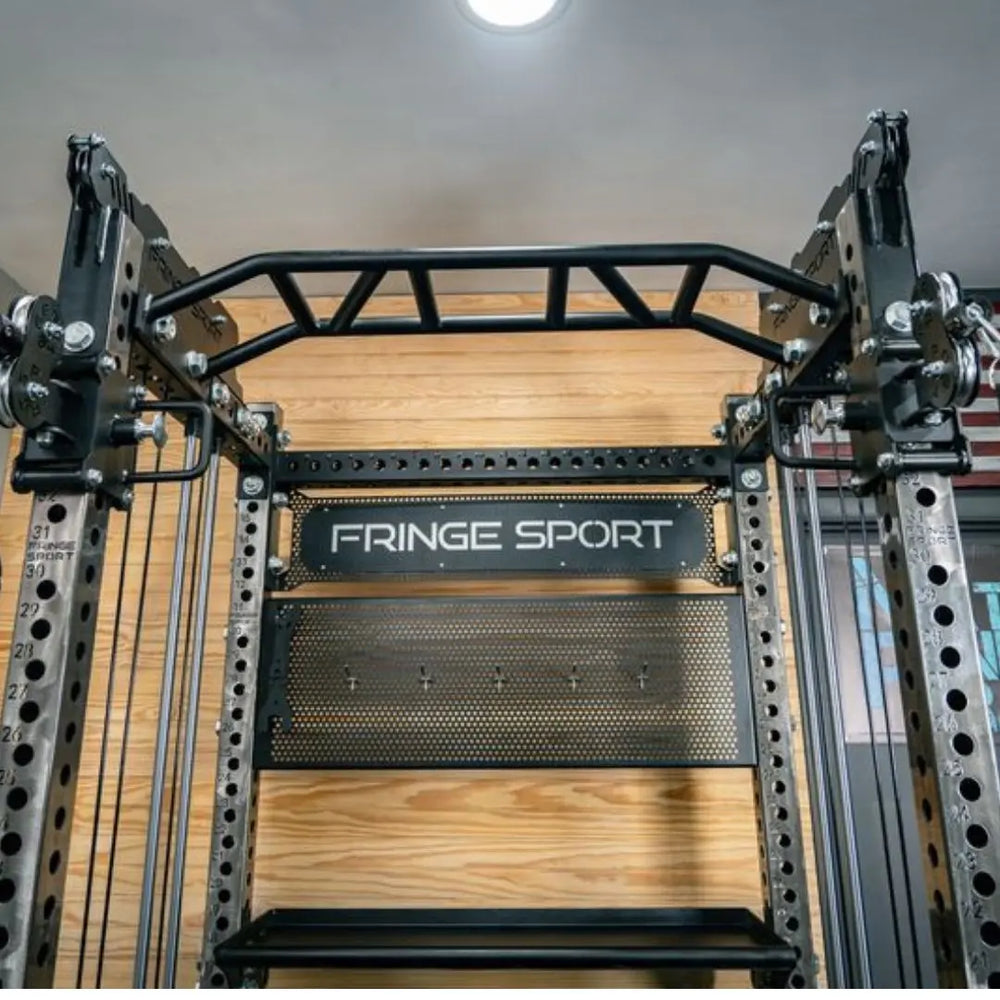
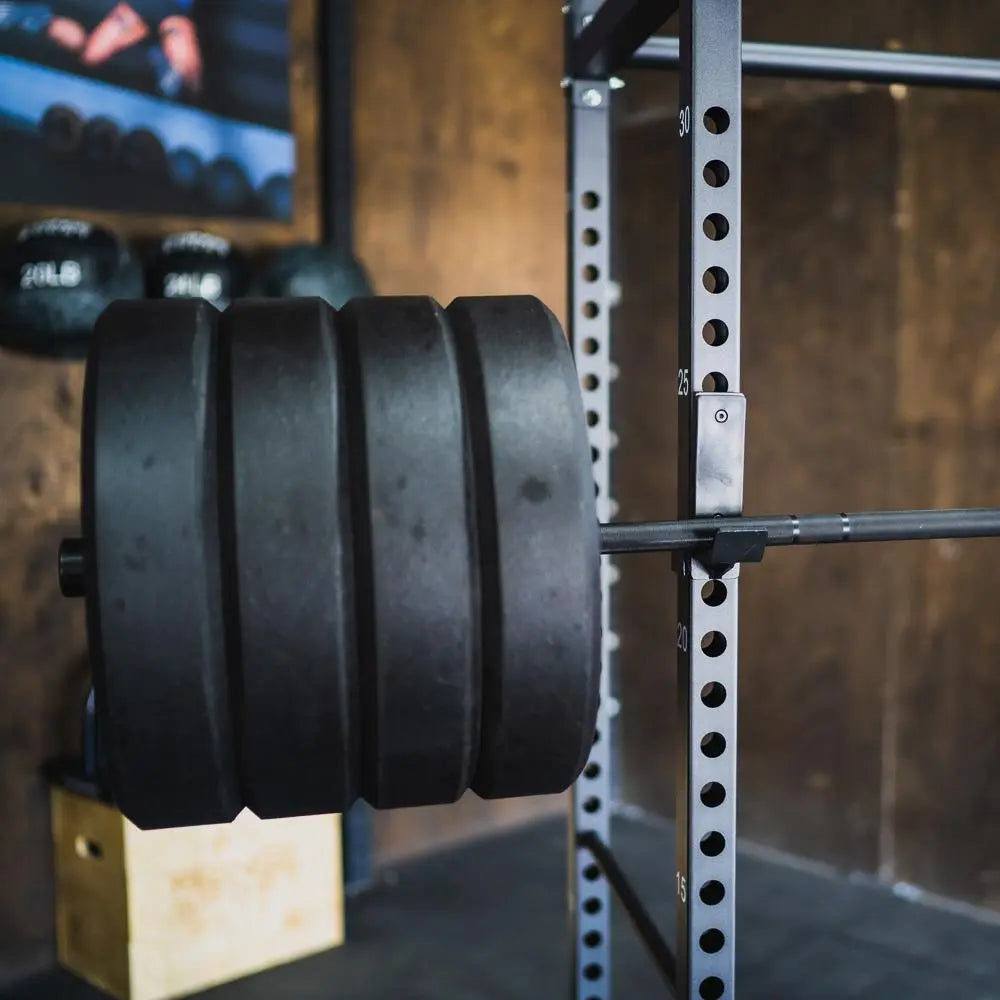
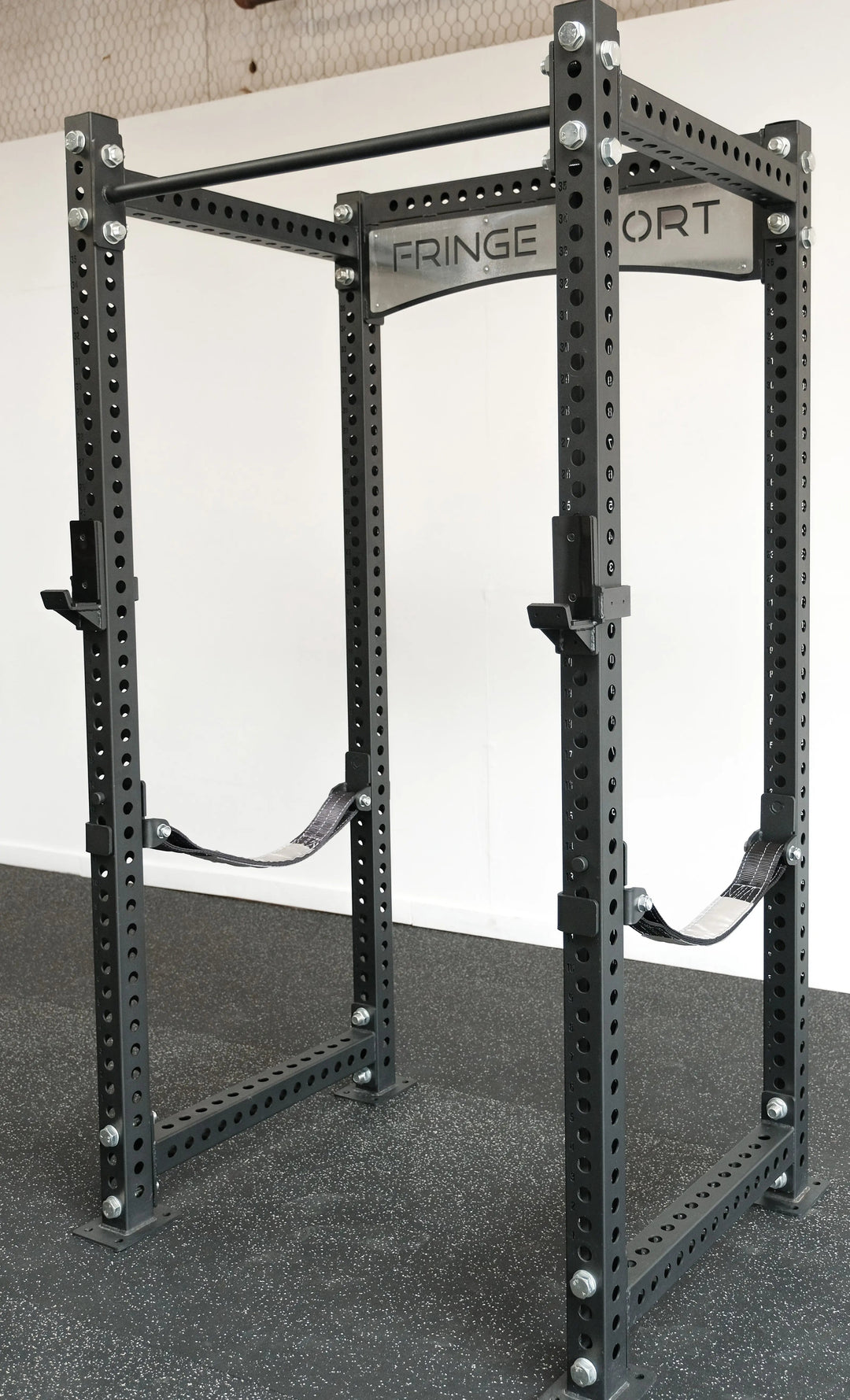
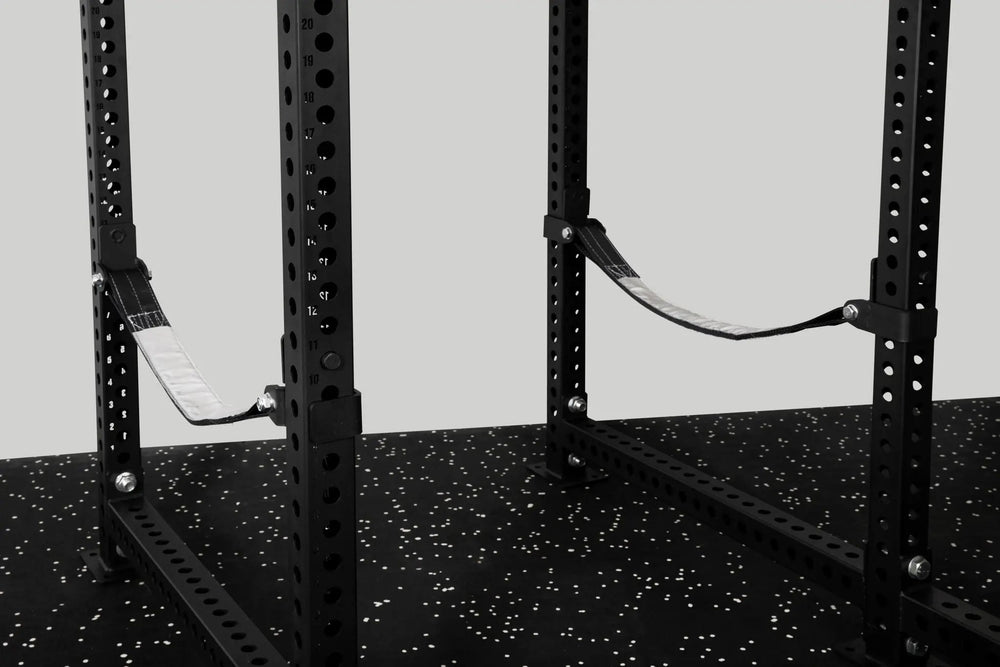


Squat rack attachments mount to your existing rack and expand what it can do, adding cable movements, belt squat capability, dip bars, Smith machine function, and more. If there are movements your current setup can't support, attachments are almost always cheaper and more space-efficient than buying a separate machine.
Measure the outer face of your upright tubing, most racks are 2x2, 2x3, or 3x3, and shop by that spec. Every product page lists compatibility clearly, and if you're not sure, reach out before you buy and we'll confirm the fit.
For most garage gym lifters the answer is a cable attachment or a belt squat, one fills the gap free weights leave, the other adds serious leg loading without putting a bar on your back. If neither is the priority, safety spotter arms are the most practical upgrade for anyone training alone near their limits.
A pulley attachment routes a cable through a system mounted to your uprights, giving you a cable anchor for lat pulldowns, tricep pushdowns, rows, face pulls, curls, and more. It's one of the most effective ways to expand your training without buying a dedicated cable machine.
A belt squat routes the load through a belt at your hips from directly below, so your legs do the work without any spinal compression, shoulder strain, or upper body involvement. It lets you train your legs harder without the same recovery cost that heavy barbell squatting accumulates over time.
Yes, a Smith machine rack attachment adds a guided barbell path and built-in safety catches to a compatible rack. Compatibility varies, so check your rack's specs or reach out before purchasing.
Yes. Standard pins fall out, get lost, and slow down every attachment change. Magnetic pins click into place and stay there until you pull them out deliberately. It's a small upgrade that pays off every single training session.
Squat Rack Attachments - Build the Gym You Actually Want
A squat rack is the foundation. The right squat rack attachments are what turn it into a complete training system.
Most garage gym lifters start with a rack, a barbell, and a set of plates, and that's the right call. But at some point, the gaps show up. You want lat pulldowns. You want to train your legs without loading your spine. You want cable movements that free weights can't replicate. You want to press without a spotter. The answer to all of those gaps isn't buying a new rack. It's adding the right attachments to the one you already have.
That's what this page is for. Every product here mounts to an existing rack and expands what it can do, without replacing what you've already invested in.
Cable Attachments for Your Squat Rack
A cable attachment for your squat rack is one of the highest-value upgrades you can make to a garage gym. Cables keep constant tension on the muscle through the full range of motion, which free weights can't do. That opens up lat pulldowns, tricep pushdowns, cable rows, face pulls, flyes, and a long list of isolation movements that a barbell and dumbbell setup leaves on the table.
The right squat rack cable attachment depends on what you're training and how much you want to spend. A basic pulley attachment for squat rack setups gets you cable functionality from a single anchor point at a low entry price. Step up to a full pulley system and you get adjustable height, more movement options, and a setup that rivals a standalone cable machine. Add independent crossover arms and you've got a cable crossover machine built around the rack you already own.
Whatever level you're starting from, adding cable work to your existing rack is one of the smartest moves you can make for your programming. Pulling movements, isolation work, and rehabilitation exercises all improve when you have a cable option available.
Belt Squat Rack Attachment
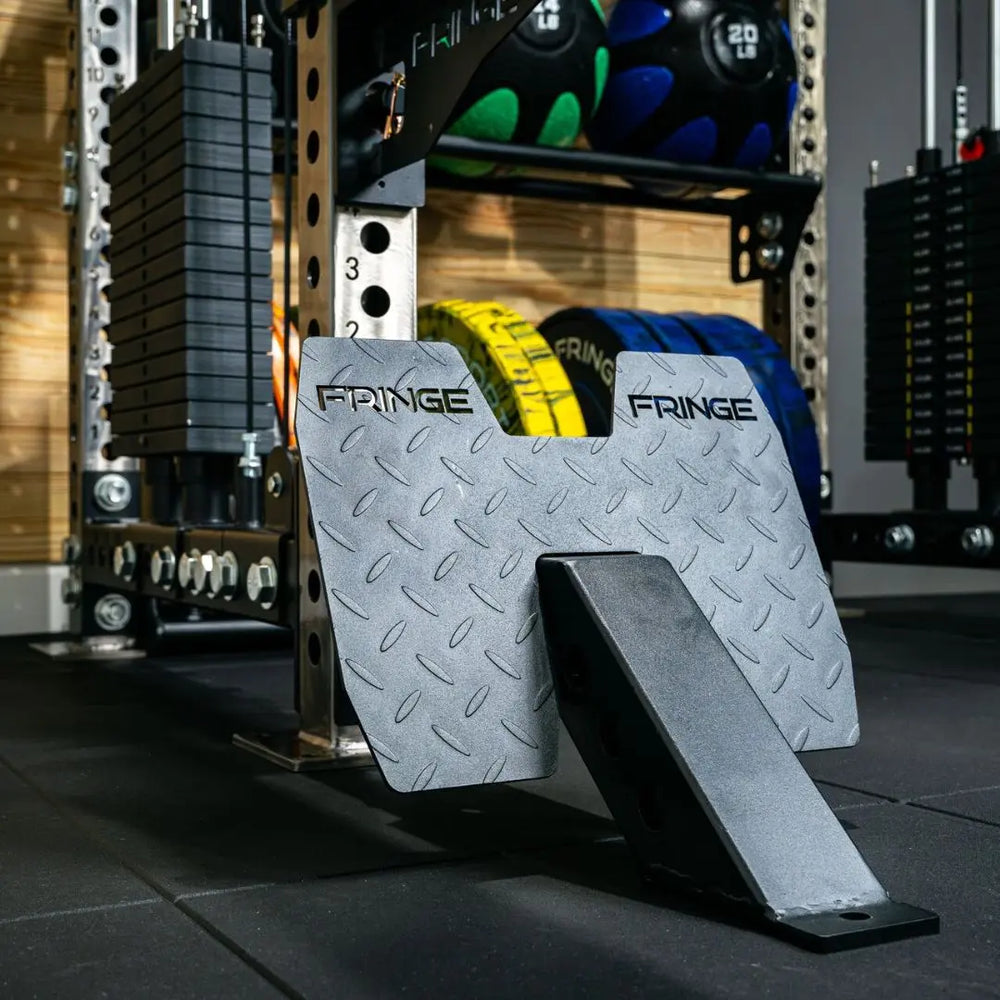
A belt squat rack attachment lets you load the legs through a belt at the hips rather than a bar across the back. No spinal compression. No shoulder strain from the rack position. No wrist or elbow discomfort from holding the bar. Just direct lower body loading with none of the overhead that heavy barbell squatting puts on the rest of your body.
That makes a belt squat attachment useful for more lifters than most people expect. It's a legitimate way to add lower body volume to any program without increasing spinal fatigue. If you're already squatting and deadlifting heavy, a belt squat lets you pile on leg work without grinding your recovery. If you're managing an injury or training around a limitation, it keeps your legs moving when a barbell can't.
It's one of the most consistently praised power rack attachments in the Fringe Sport lineup, and for good reason.
Specialty Power Rack Attachments
Beyond cable work and belt squats, there's a category of power rack attachments that add entirely new training modalities to your rack.
A Smith machine rack attachment converts a compatible rack into a guided barbell setup with a fixed movement path and built-in safety catches. Pressing, squatting, and rowing with a Smith machine feel different from free weight versions of the same movements — not better or worse, just different, and having both options in one rack is a genuine advantage for lifters who program variety.
A multi-flight attachment adds chest fly and rear delt fly capability to your existing setup. Movements that normally require a dedicated pec deck become part of your rack without adding another machine to the floor.
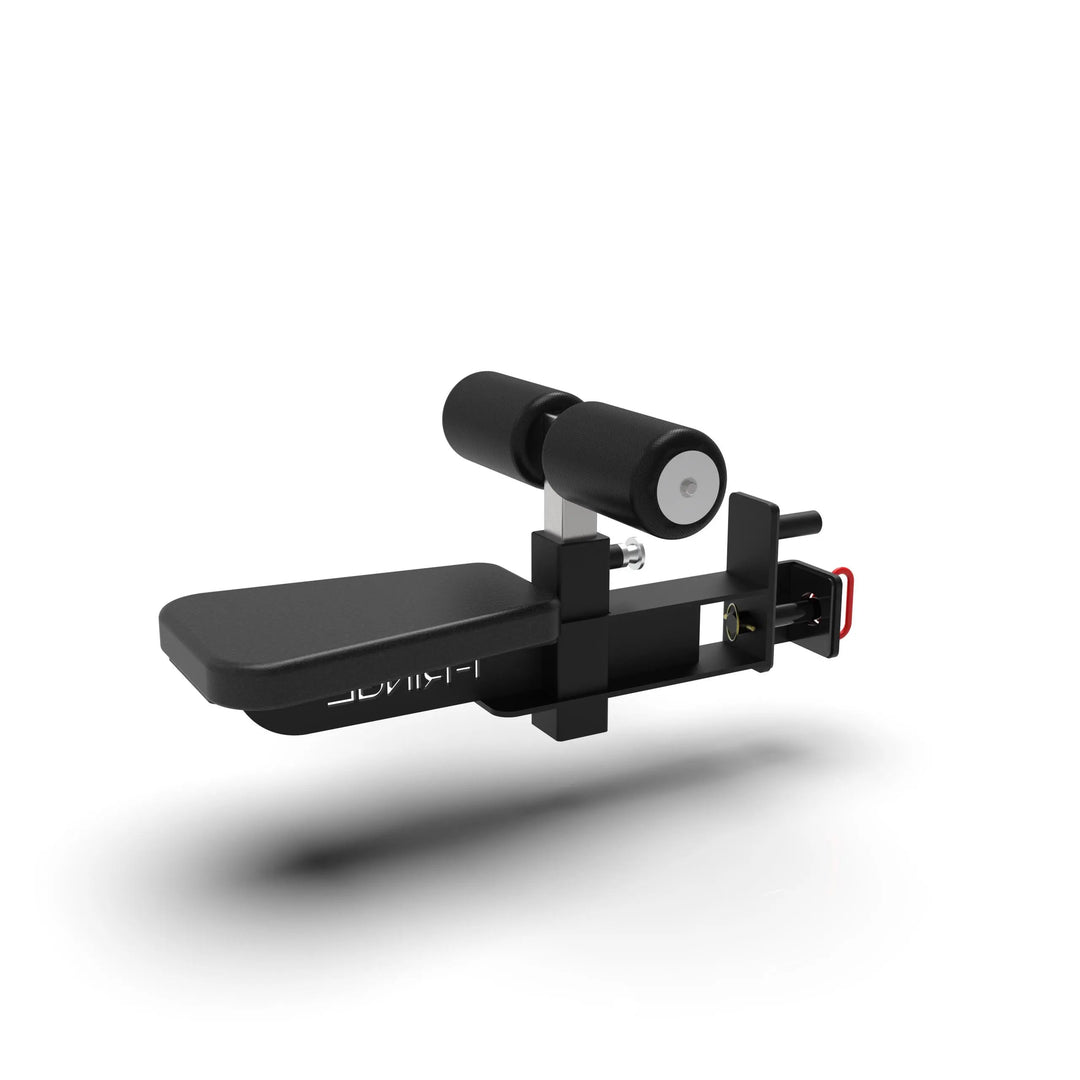
A dedicated lat pulldown station, a low row foot plate, and a stable pulldown seat round out the cable pulling work that most garage gym programs are missing. These aren't flashy upgrades. They're practical additions that fill real gaps in what a standard rack setup can train.
Rack Accessories That Make Daily Training Better
Not every rack accessory is a major upgrade. Some of the best ones are the small things that make your training faster, safer, and less frustrating session after session.
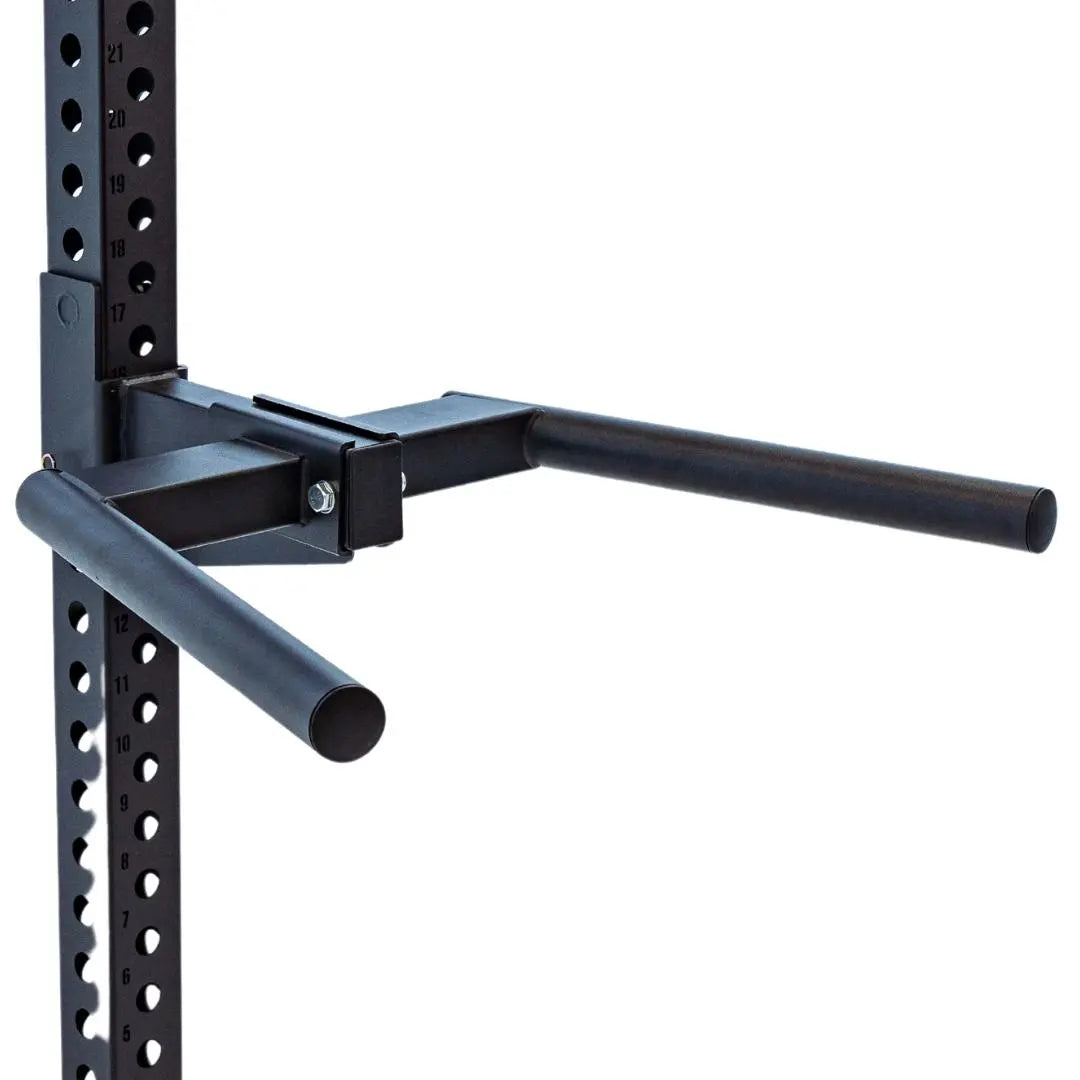
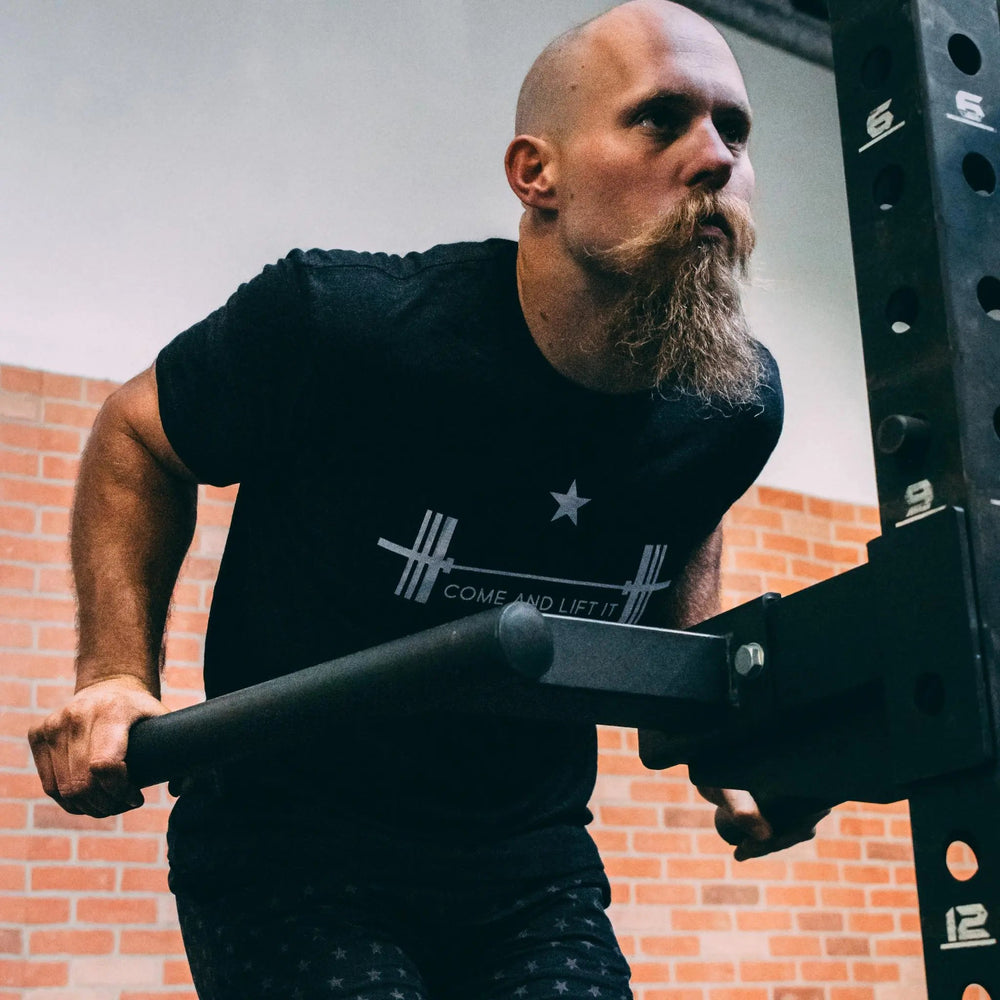
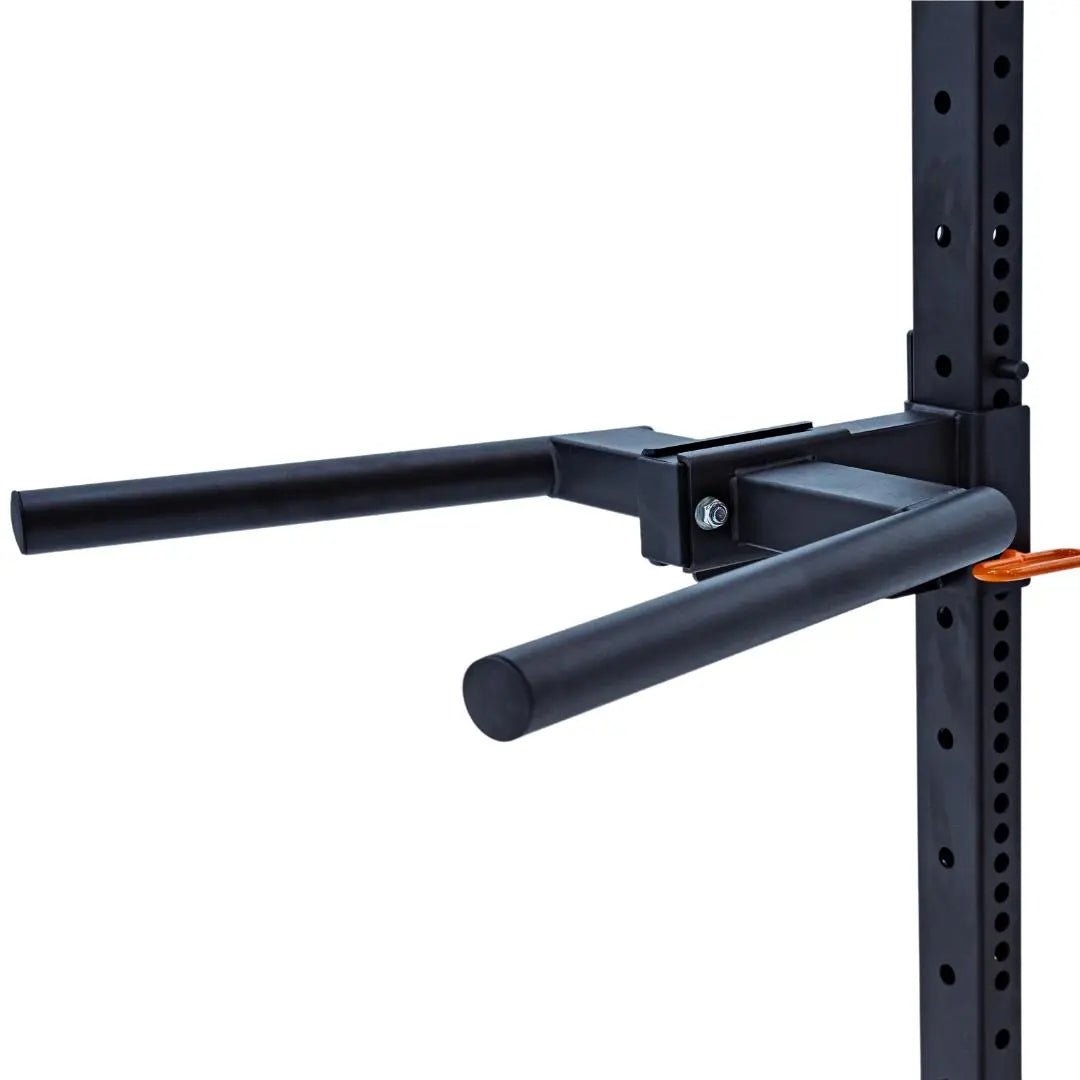
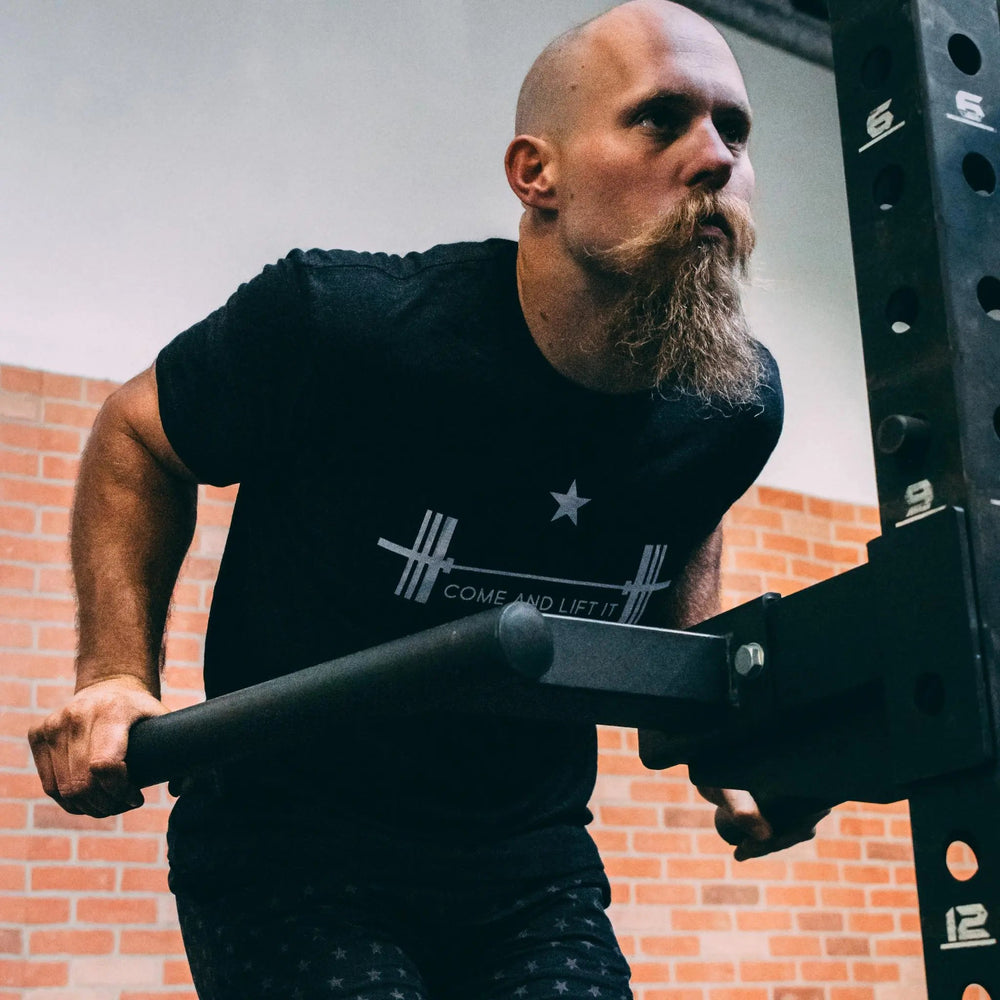
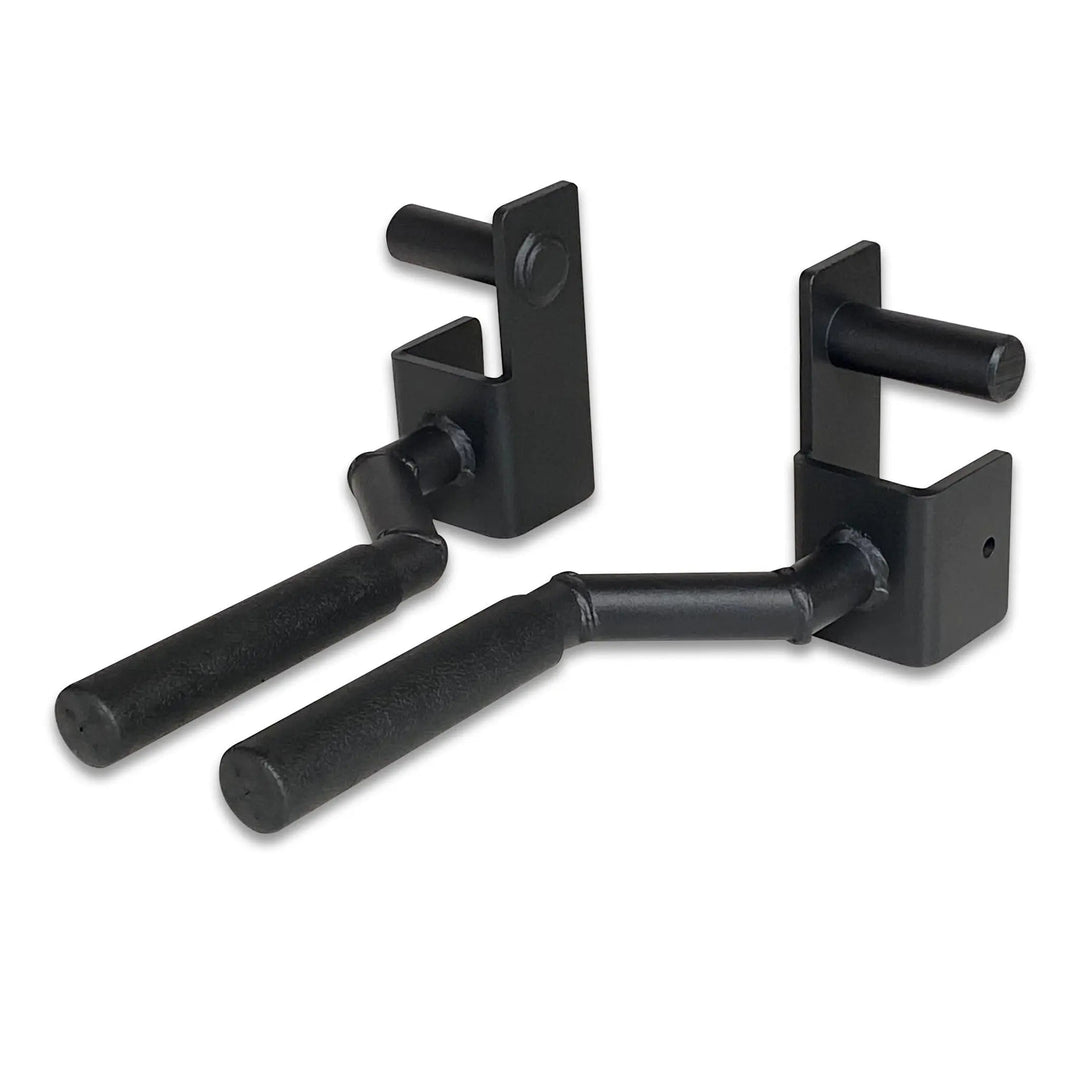
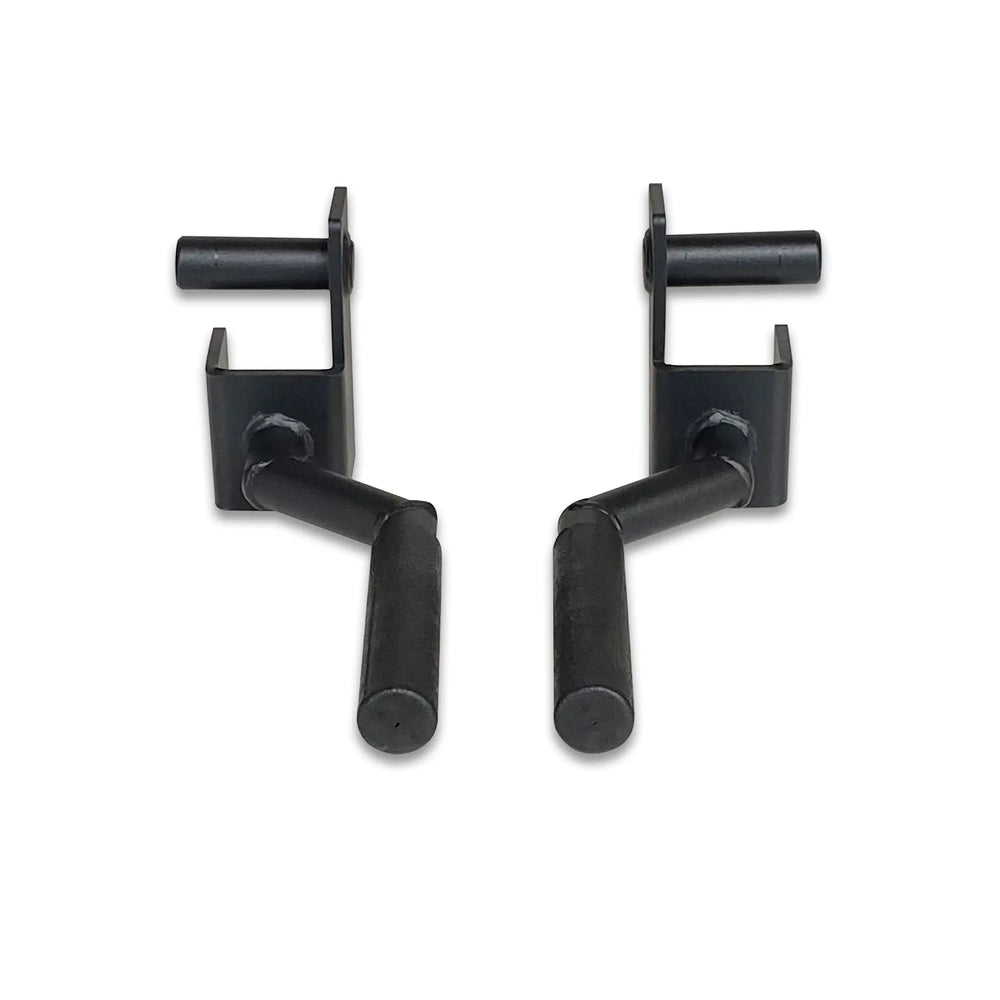
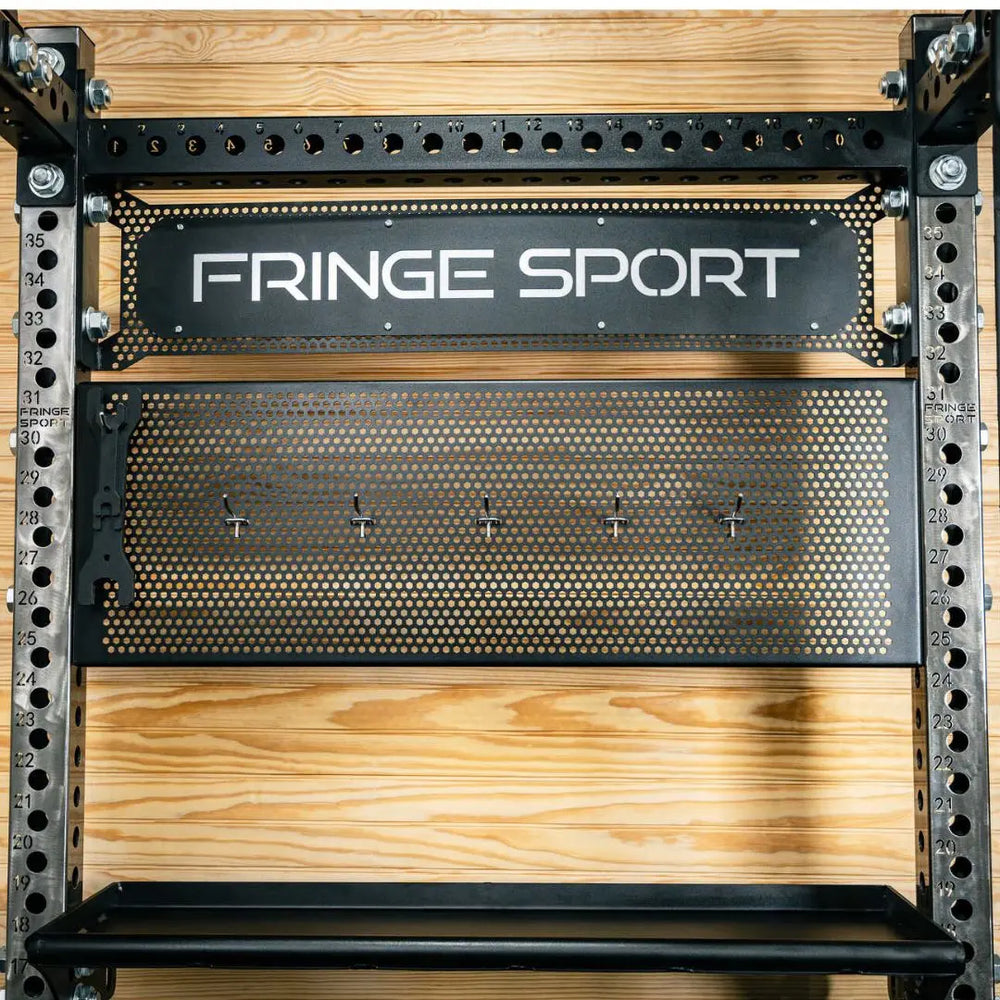
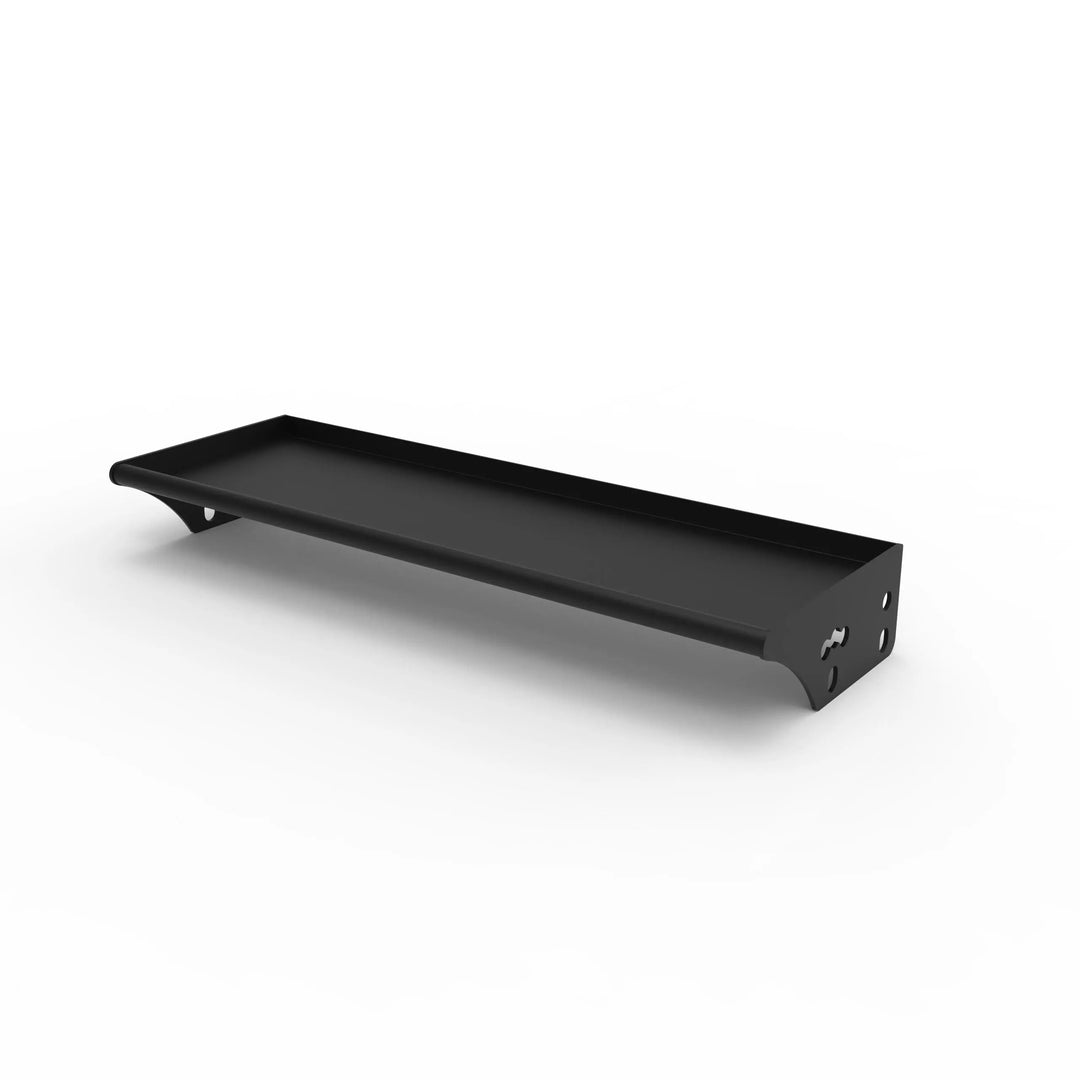
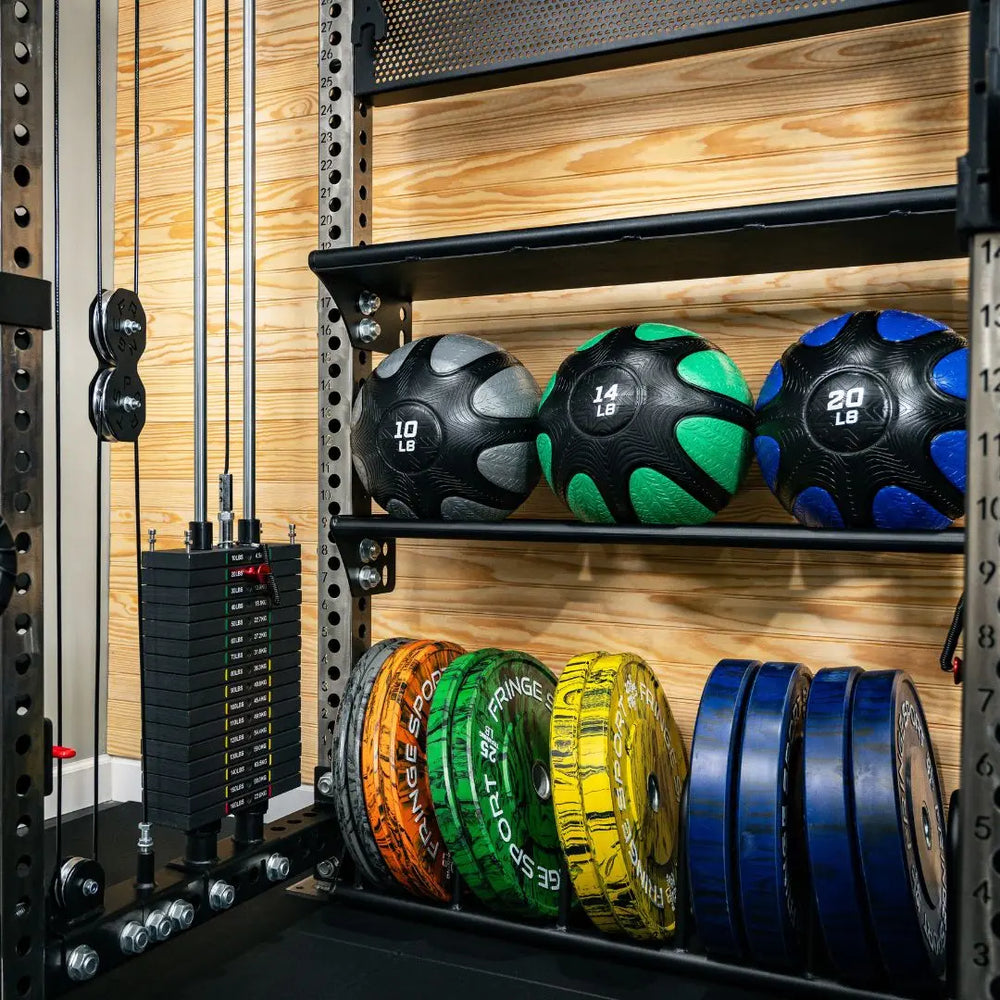
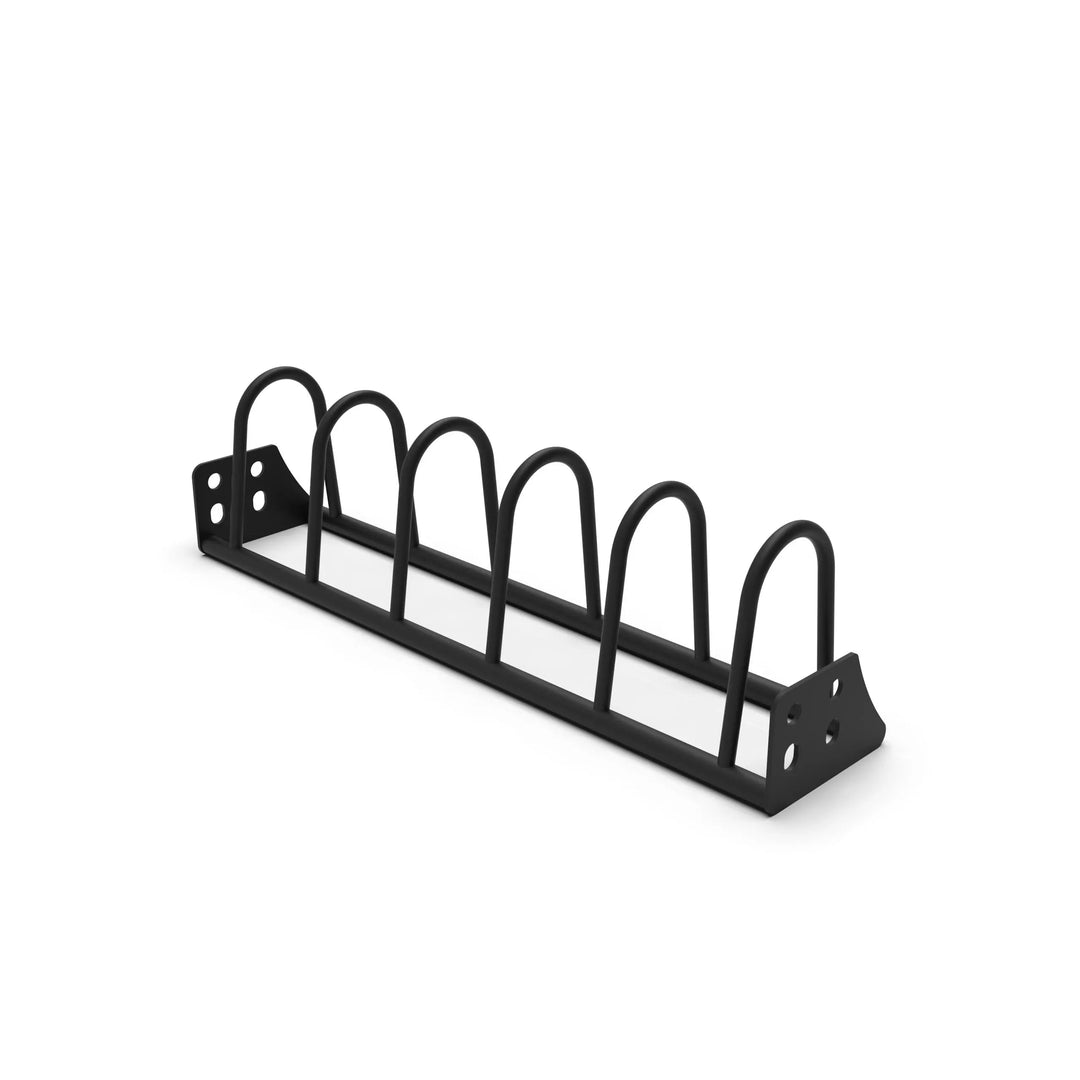
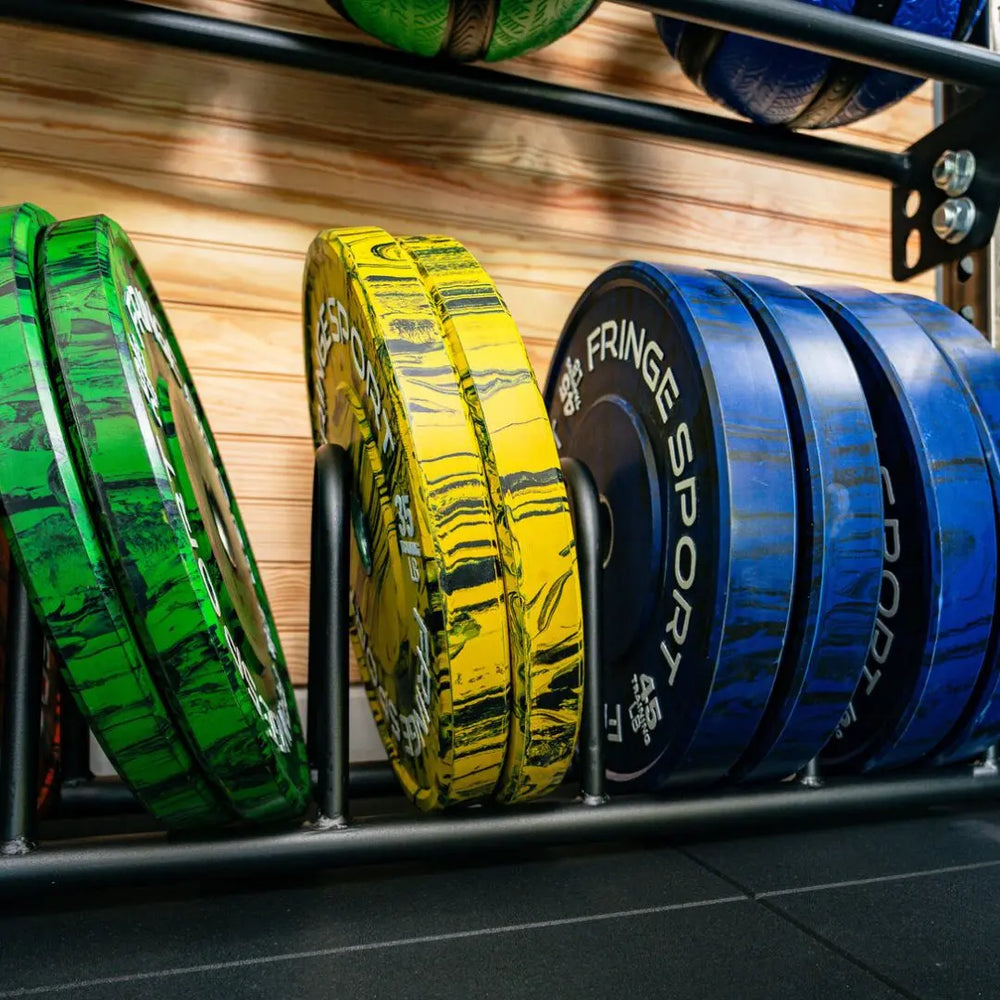
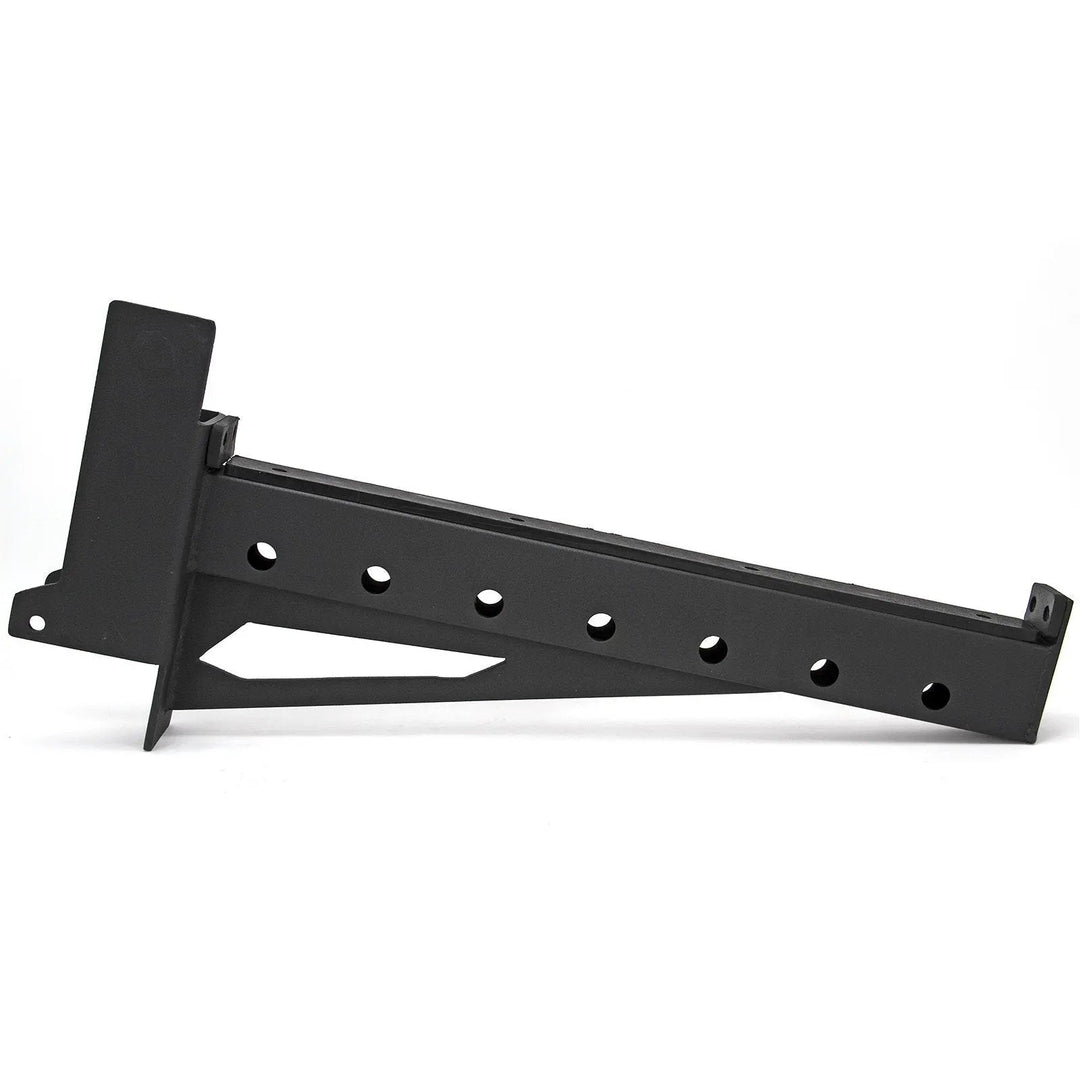
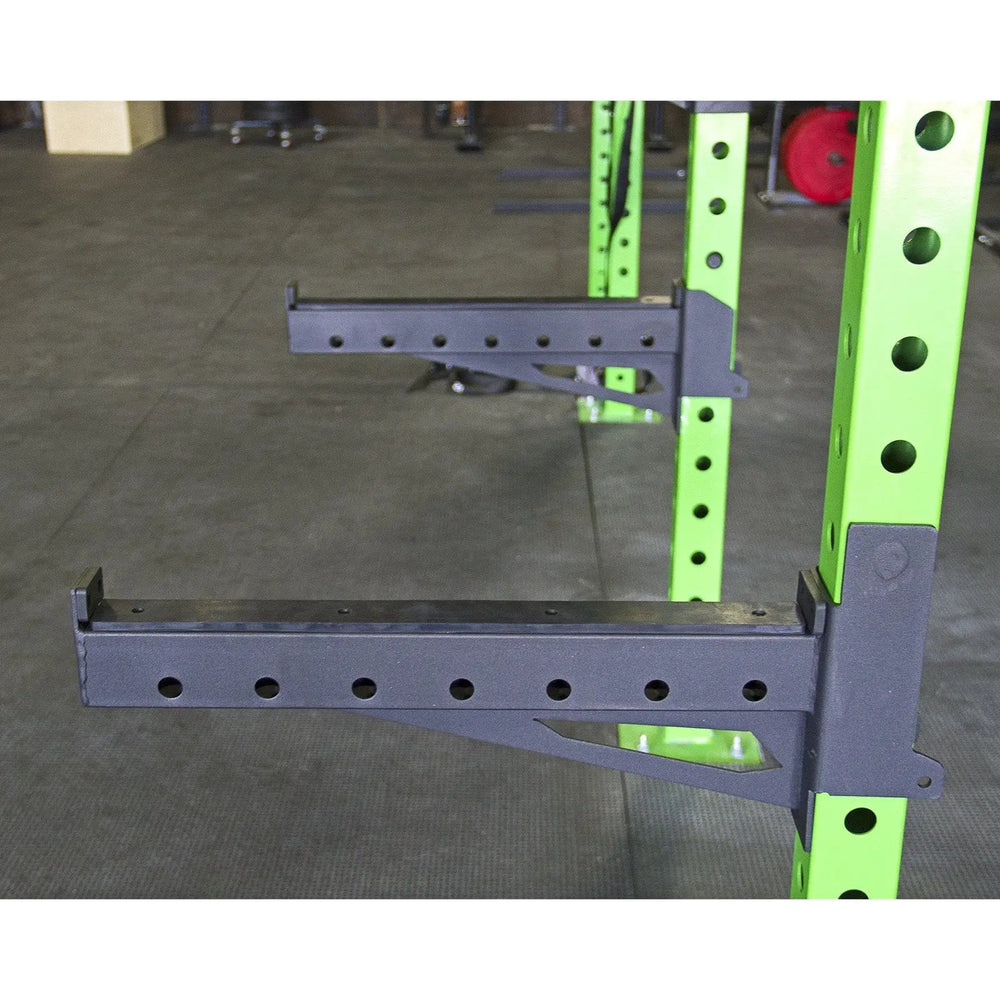
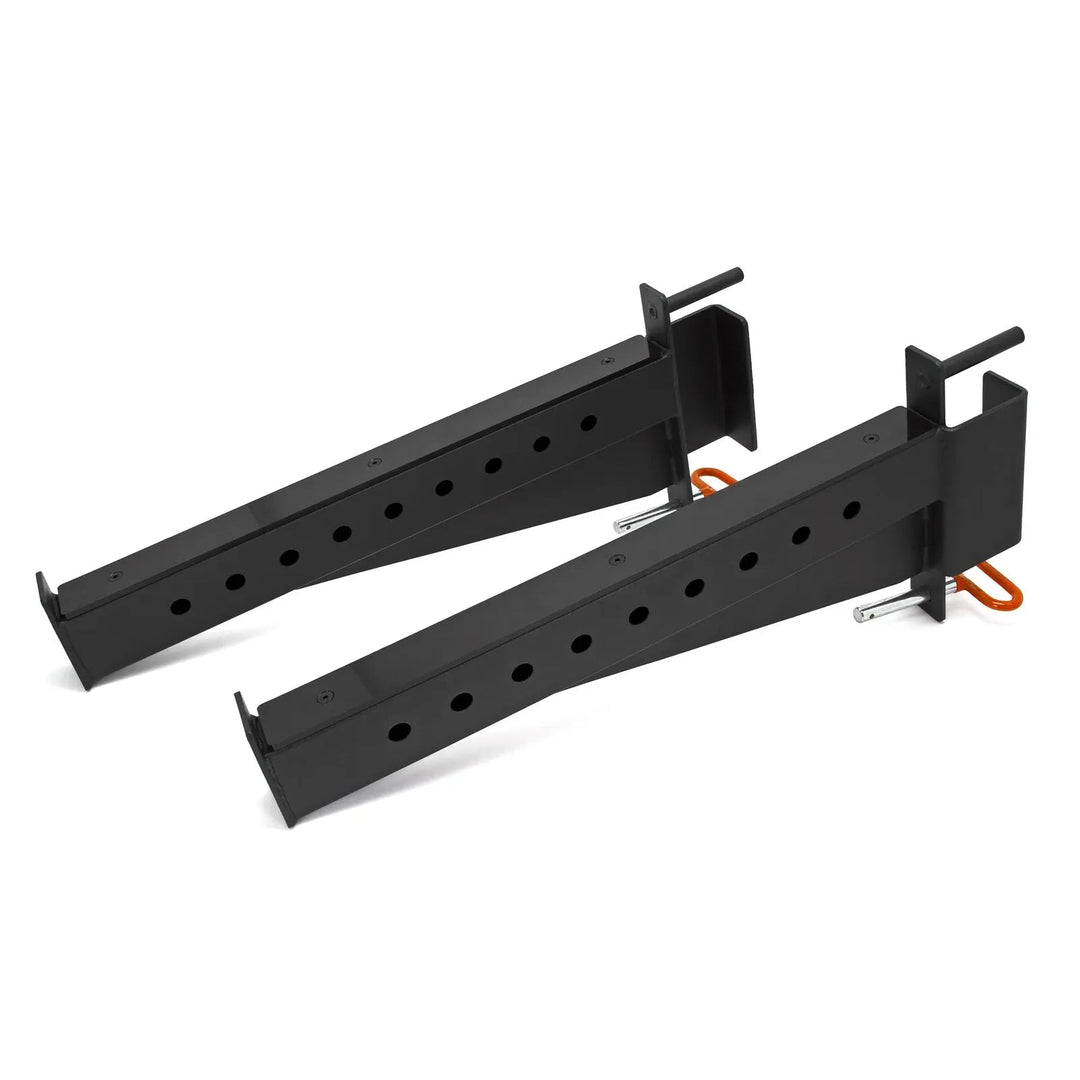
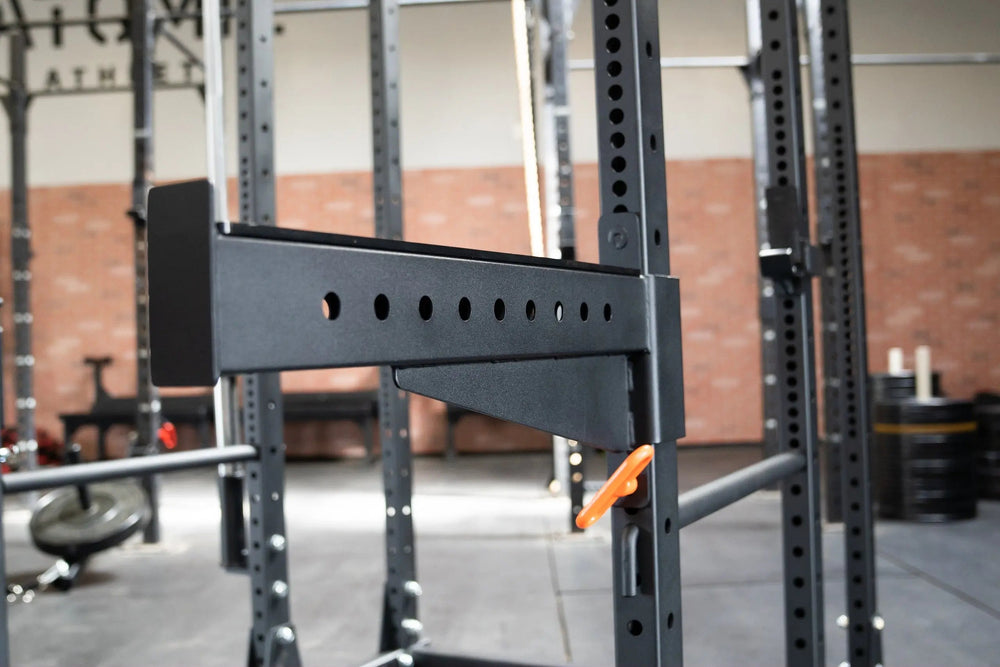
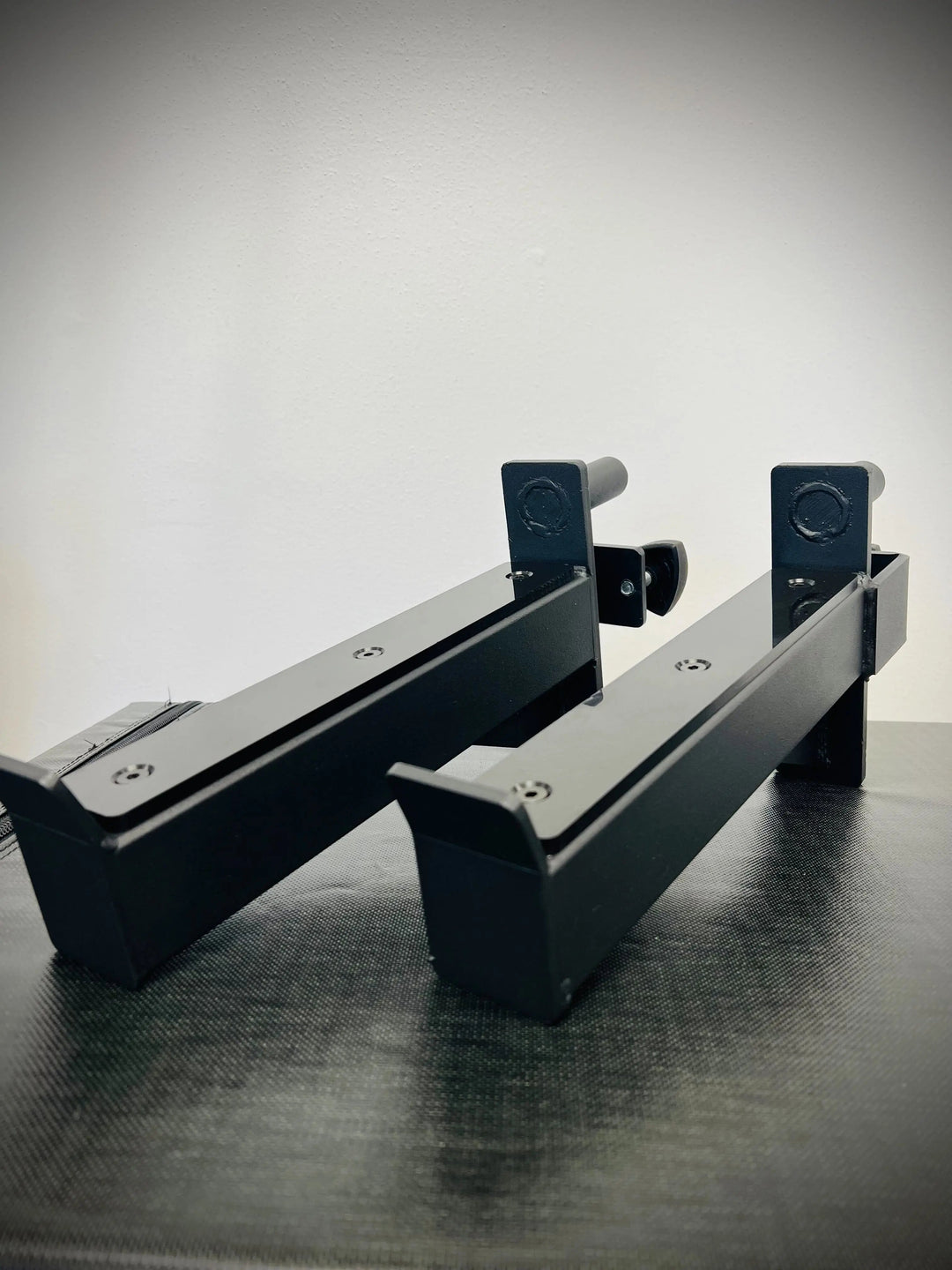
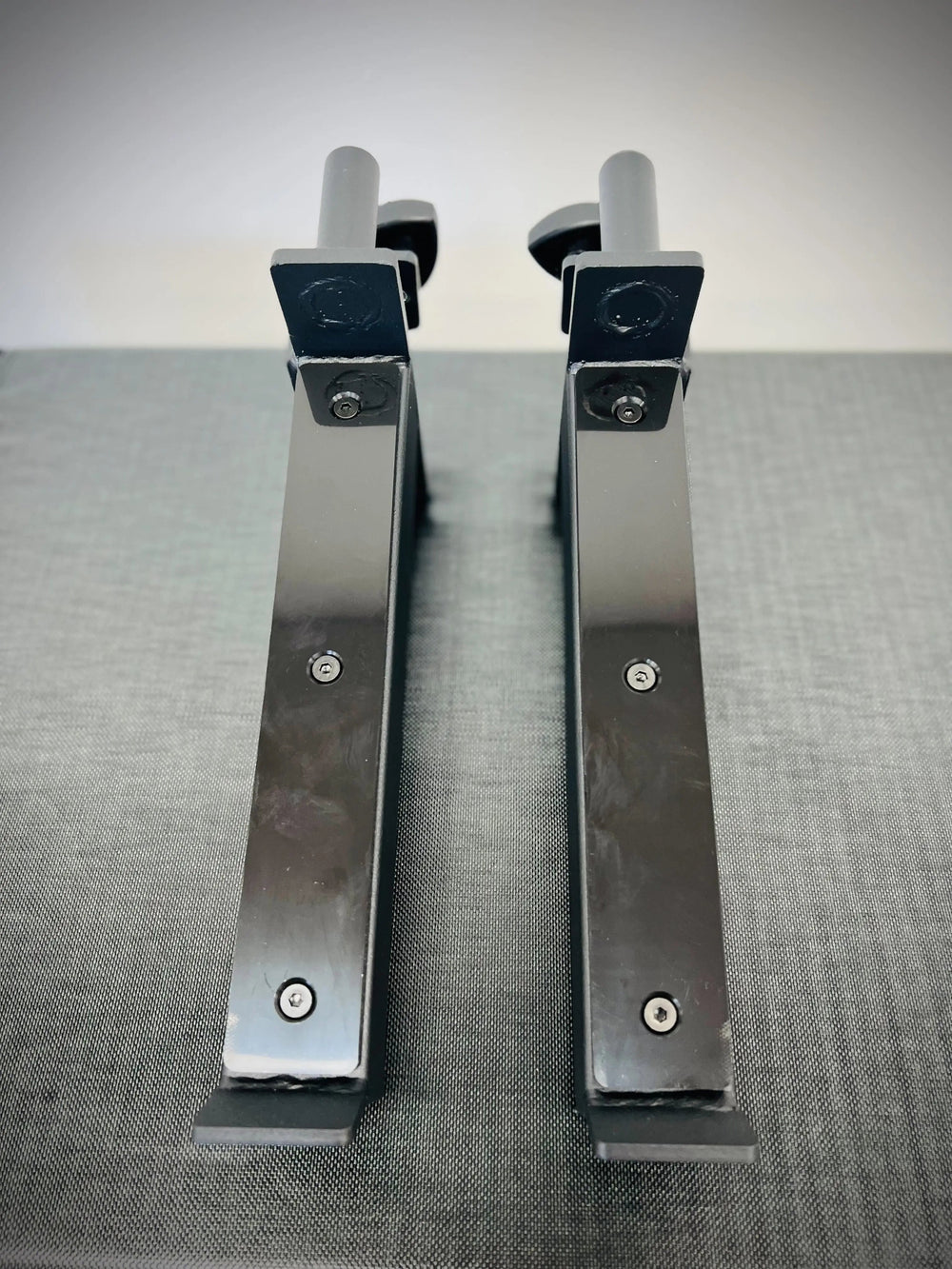
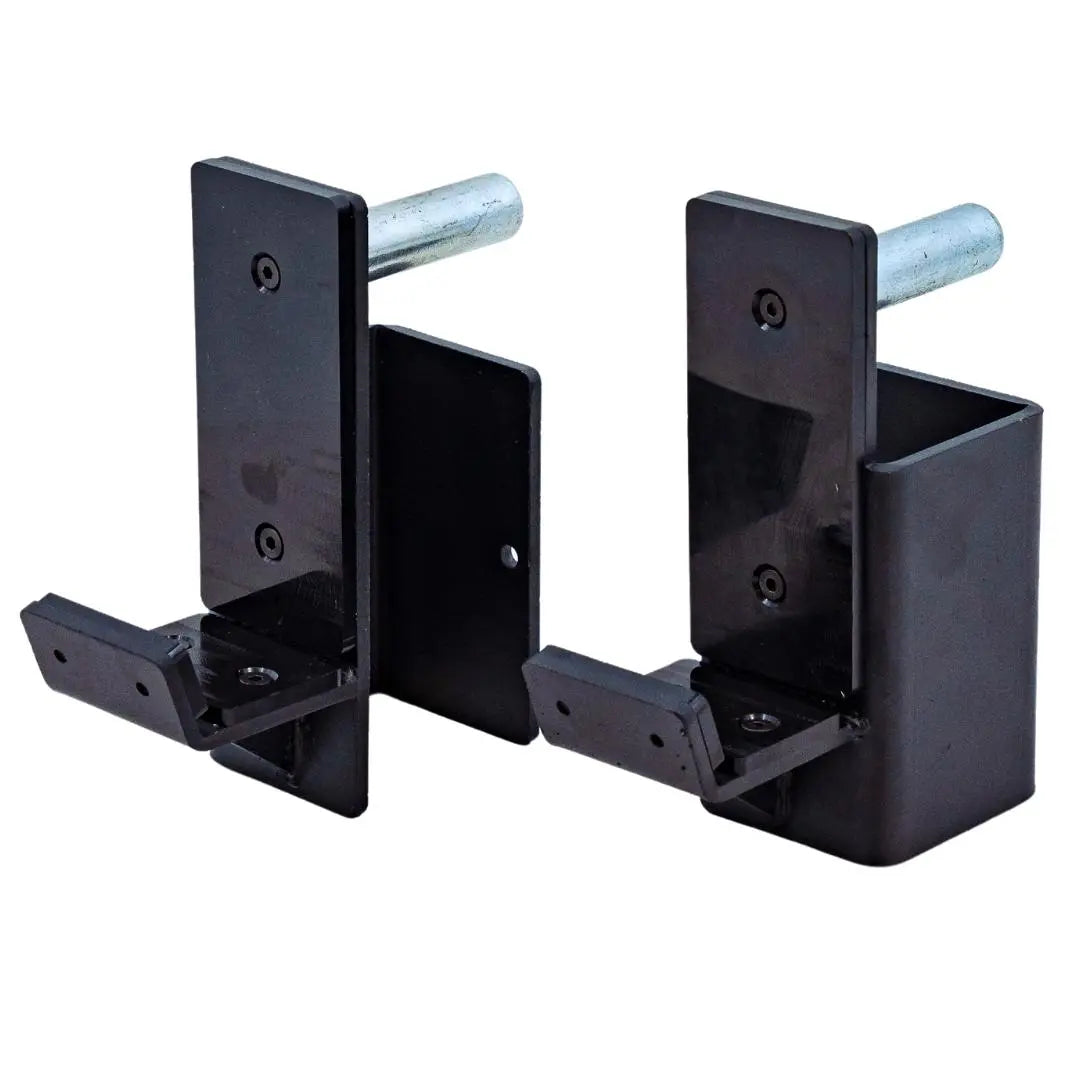
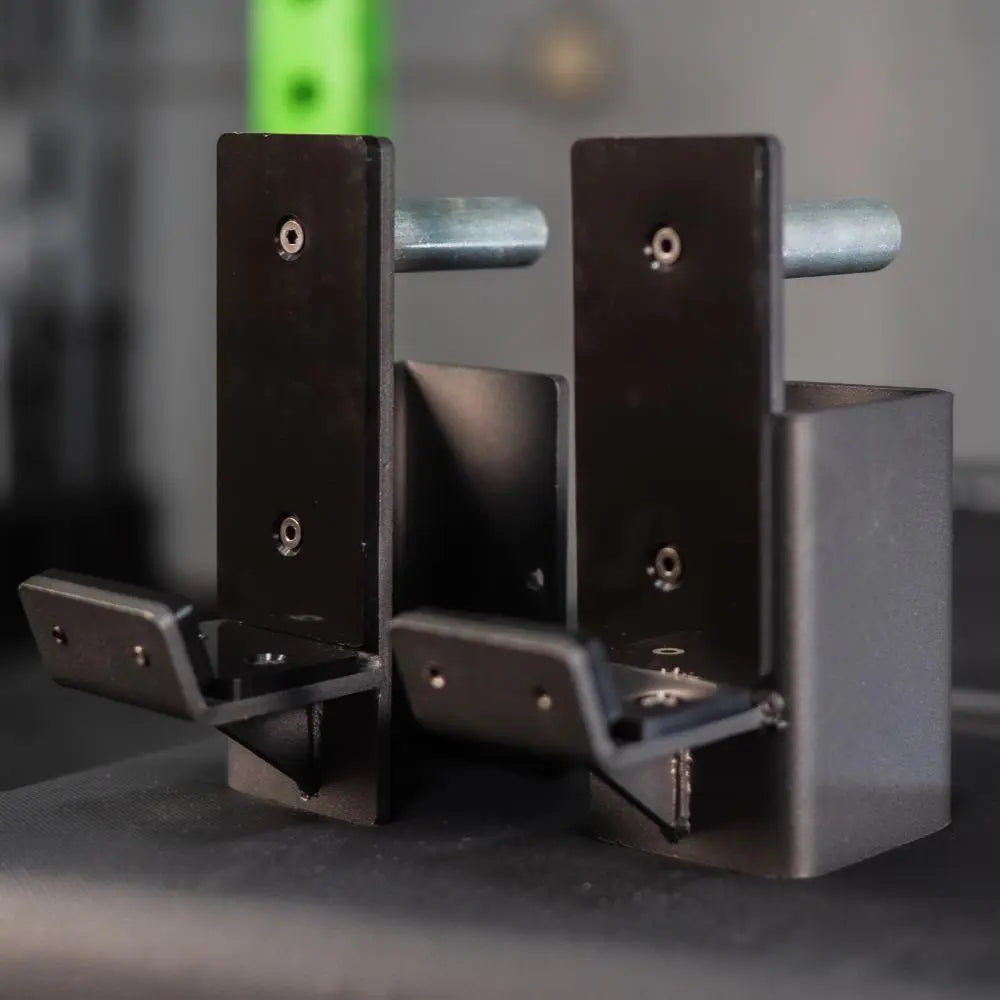
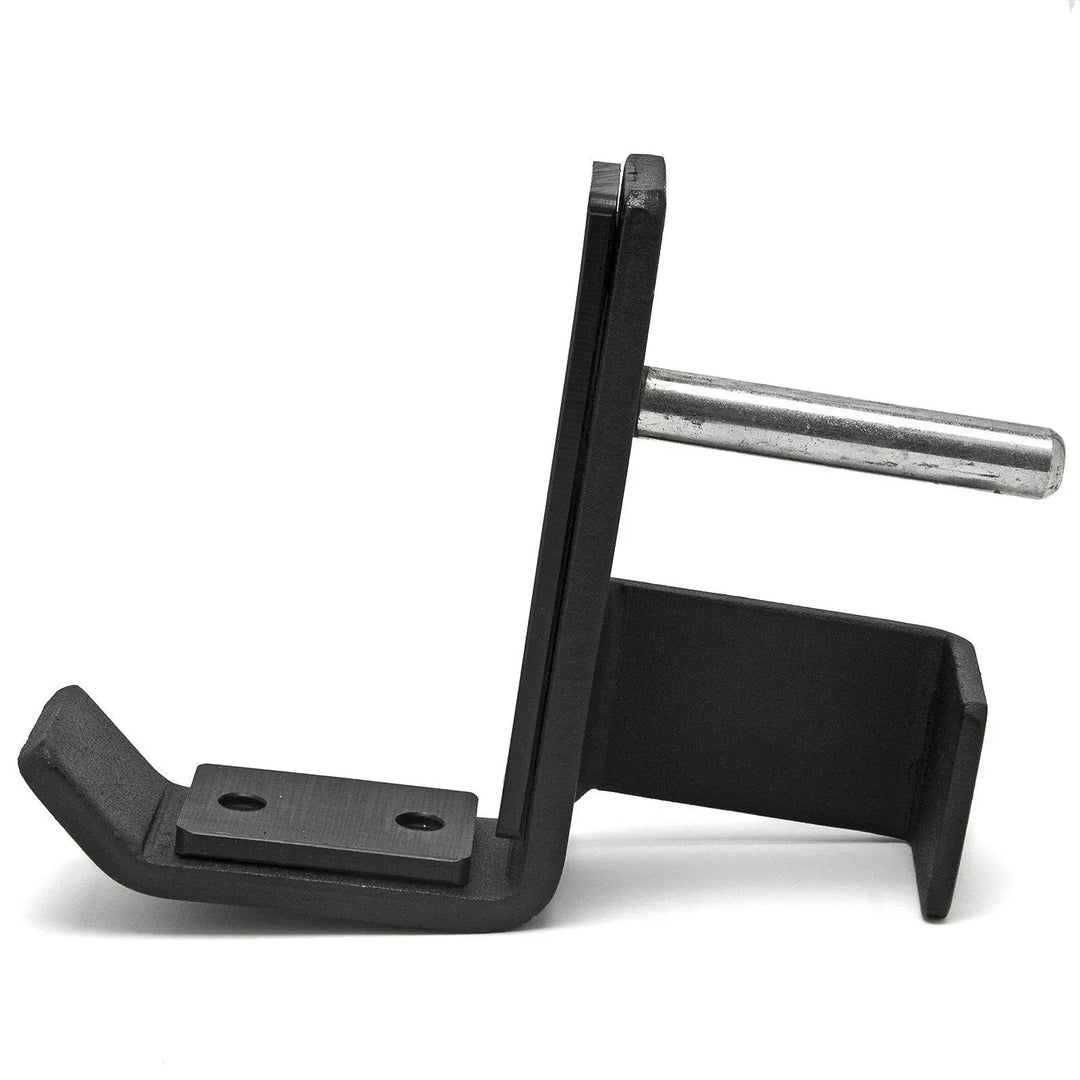
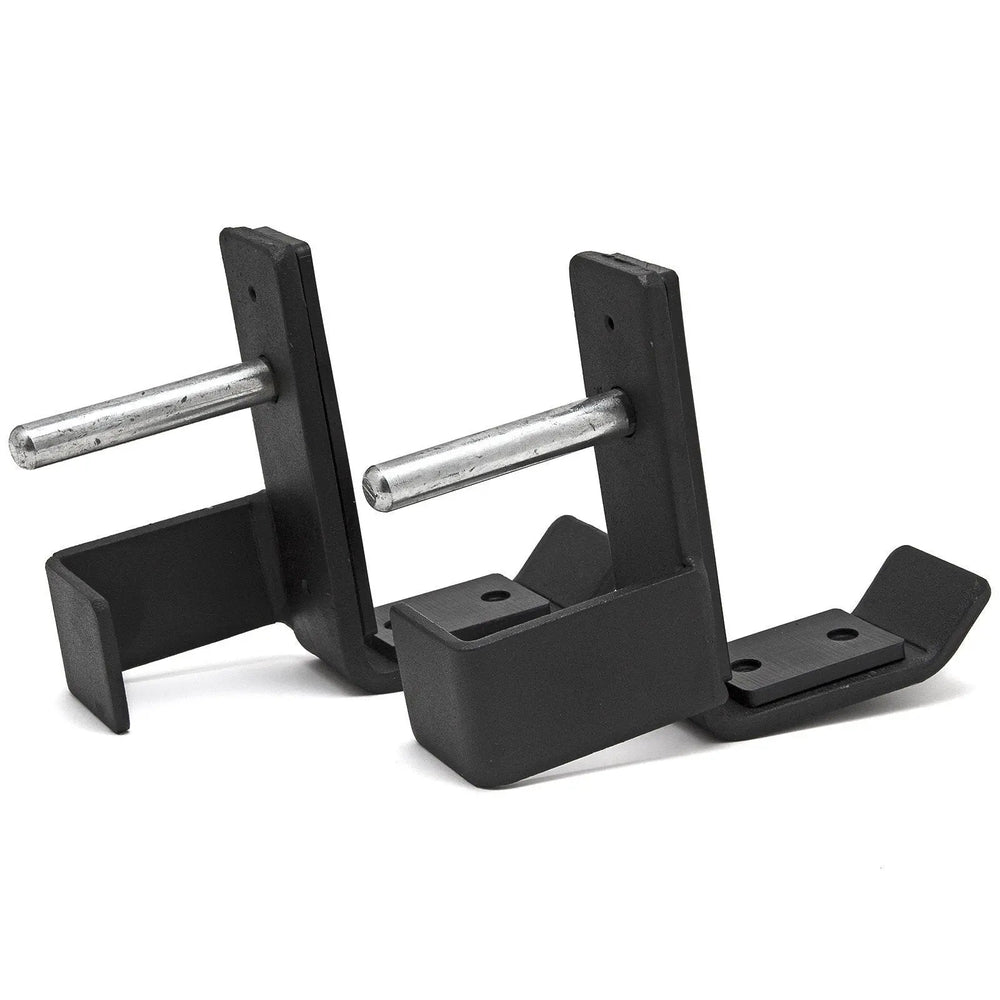
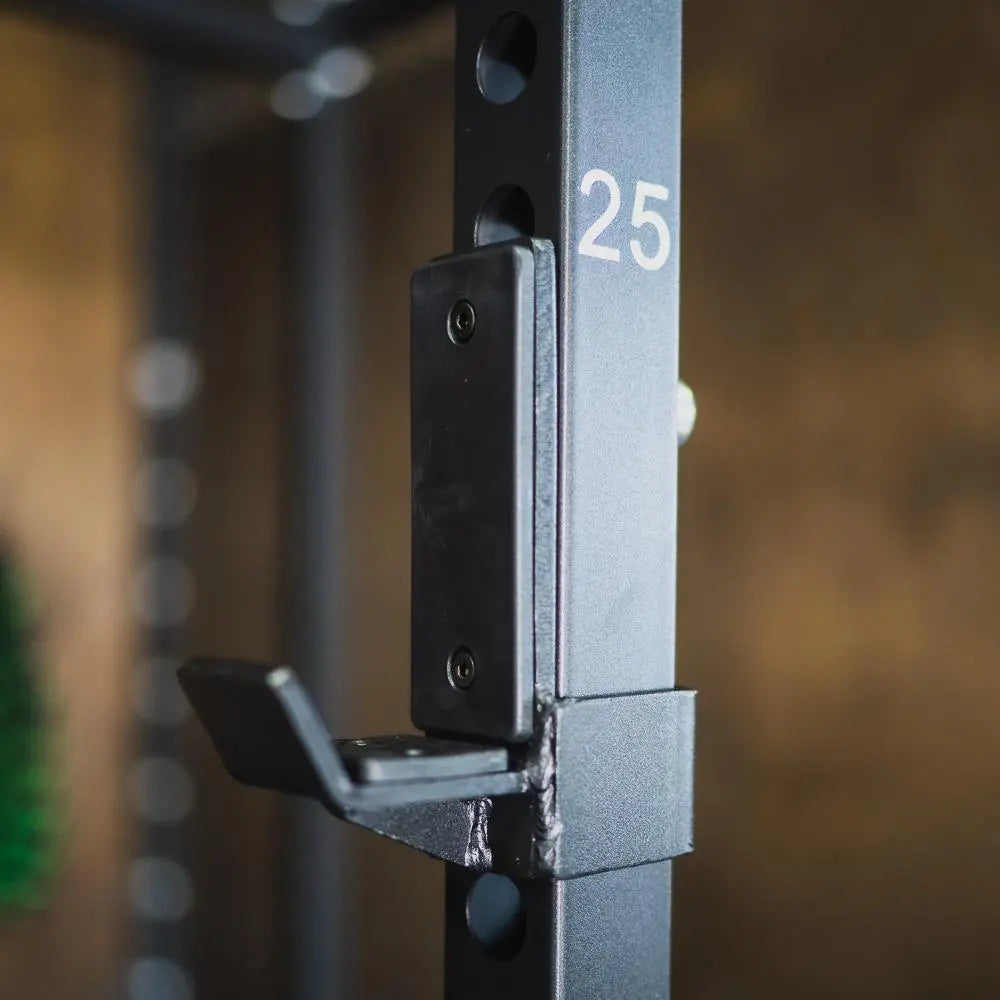
Dip stations add a foundational pushing movement without a dedicated dip stand. Safety spotter arms let you train heavy alone without a spotter, a non-negotiable for any garage gym lifter pressing or squatting near their limit. J-cups and replacement hardware keep your rack running properly over years of heavy use. Storage attachments like plate holders, dumbbell shelves, pegboards keep your gym organized and your floor clear.
And magnetic hitch pins. If you're still using standard hitch pins that fall out mid-session and disappear under the rack, magnetic pins are the upgrade that costs the least and pays off every single training day. Small thing. Big difference.
Which Size Attachments Fit My Rack?
Squat rack attachments are sized to match the outer dimensions of your rack's uprights. Most racks are 2x2, 2x3, or 3x3. Measure the outer face of your upright tubing to confirm. We carry attachments across all three sizes, and each product page lists compatibility clearly.